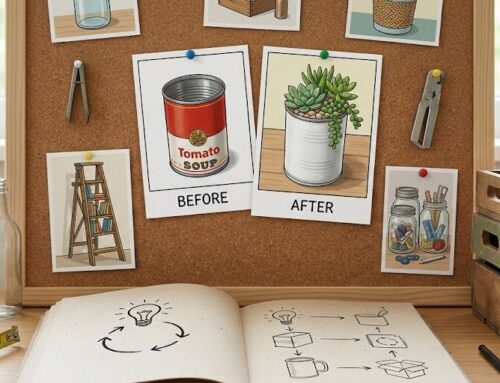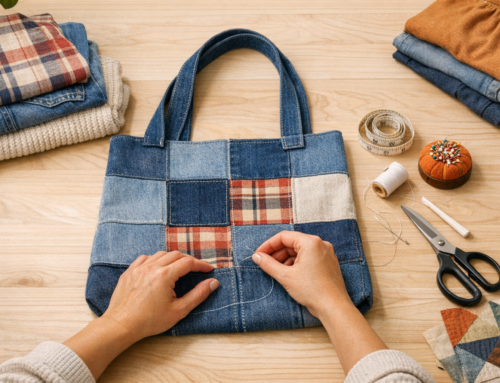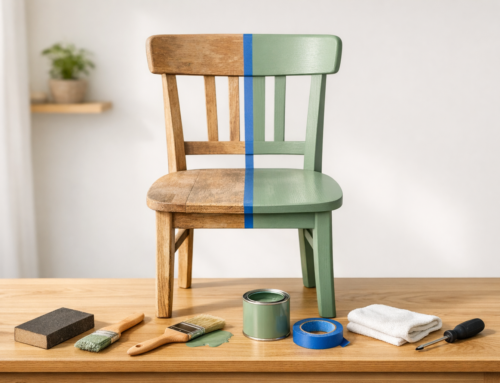
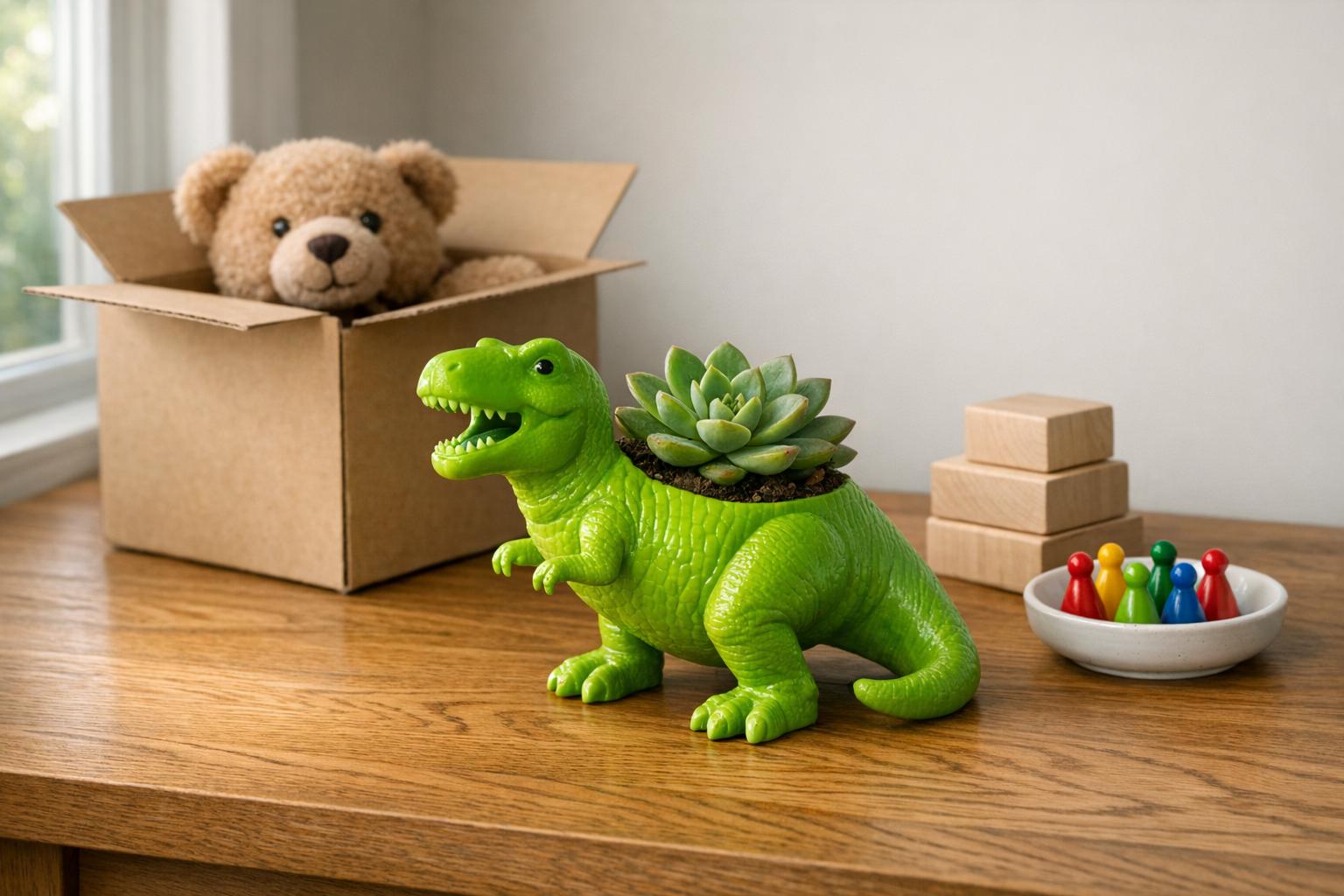
Did you know? Millions of toys end up in U.S. landfills each year, contributing to pollution and waste. But you can change that! By repurposing or donating old toys, you can reduce waste, save resources, and even support local communities. Whether it’s turning stuffed animals into bean bag fillers or transforming board games into wall art, there are plenty of ways to give toys a second life. Plus, donating unused toys to organizations like City Thrift helps fund programs for those in need.
Key Takeaways:
- Repurposing Ideas: Create toothbrush holders from plastic toys, desk organizers from toy cars, or keychains from Scrabble tiles.
- Advanced Projects: Make stylish bookends from plastic dinosaurs or hanging planters from old basketballs.
- Donation Tips: Clean toys, ensure they’re functional, and drop them off at City Thrift to support local initiatives.
Start small with easy projects or donate to make an impact. Every effort helps reduce waste while supporting your community.
Simple Toy Repurposing Projects for Beginners
Starting with easy projects is a great way to build confidence while giving old toys a second life. These ideas are perfect for families looking to reduce waste, requiring just a few tools and less than an hour to complete. They’re a fun way to combine creativity with practicality, turning everyday items into something useful.
Turn Stuffed Animals into Bean Bag Fillers
Got some old plush toys lying around? They can be repurposed as stuffing for bean bag chairs or DIY cushions. Just remove the outer fabric to access the soft filling inside. This is a great option for creating cozy floor seating in playrooms or kids’ bedrooms. For hygiene purposes, toss the stuffed animals into a gentle laundry cycle before you start.
Make Toothbrush Holders from Plastic Animals
Hollow plastic animal toys can easily double as quirky toothbrush holders with the help of an electric drill. Simply mark the spots where you want the toothbrush handles to go, then carefully drill holes just wide enough. Before using, give the toys a good wash with warm, soapy water or a vinegar solution. As Rachel from Kids Activities Blog says:
“Upcycling old toys is always a good lesson in resourcefulness!”
Convert Toy Cars into Desk Organizers
Tiny toy cars, like Hot Wheels or Micro Machines, can serve as fun and functional desk accessories. Use cars with flat surfaces or open truck beds to hold pens, paperclips, or other small items. For an extra creative touch, you can even attach them to drawers as unique handles. It’s a simple way to add personality to your workspace.
Board Game and Puzzle Piece Projects
Old board games and puzzle pieces can be transformed into charming, personalized décor that brings character to your home. These creative projects not only give a second life to beloved games but also align with eco-friendly practices. As Madisen Swenson from House Digest explains:
“Finding inventive ways to upcycle old items is an essential sustainability practice, and board game upcycling is a fun, creative activity where old, forgotten games transform into quirky and functional décor pieces for your home.”
Turn Scrabble Tiles into Keychains or Jewelry
Scrabble tiles are perfect for crafting personalized keychains or jewelry. You can spell out names, initials, or even meaningful words by attaching individual tiles to a jewelry cord or metal chain. Use a strong adhesive like E6000 to secure the tiles with bails or jump rings. For added durability, apply a clear wood sealant to protect them from moisture and daily wear.
Transform Game Boards into Wall Art
Vintage game boards often feature eye-catching colors and patterns, making them ideal for wall décor. Frame the board or mount it in a shadow box, adding select game pieces for extra flair. For an interactive twist, attach sheet metal to the back and use magnets to display notes or photos. Feeling adventurous? Glue the boards onto flea market tables for themed furniture or cut them into 4×4-inch squares to create coasters. Just remember to seal them with clear lacquer to protect against spills.
Create Refrigerator Magnets from Puzzle Pieces
Puzzle pieces are a great starting point for custom refrigerator magnets, gift tags, or journal decorations. Begin by priming the printed side with white paint to cover the original design. Then, unleash your creativity with acrylic paints, paint pens, or decoupage. As Celeste Wilson from HubPages puts it:
“The puzzle piece is a unique shape. In fact, it’s already in a shape. You don’t have to cut it. All you have to do is decorate and enjoy.”
For a polished look, smooth the edges with a sanding block. Attach magnet discs using hot glue for a budget-friendly project that costs less than $2.00. If you’re using liquid glue, sandwich the pieces between plastic sheets and press them under heavy books while drying to prevent warping.
Complex Toy Upcycling Projects
Looking to take your upcycling skills to the next level? These projects go beyond basic crafts, requiring power tools and multiple steps to create durable, functional items that wouldn’t look out of place in a store. They involve precision work like cutting, drilling, and using strong adhesives. Below, you’ll find detailed instructions for three advanced upcycling ideas.
Turn Plastic Dinosaurs into Bookends
Transform old plastic dinosaur toys into quirky bookends. Start by cutting the dinosaurs in half using a jigsaw or an X-acto knife. Next, craft L-shaped bases from 3/8-inch wood or MDF for stability. Attach the dinosaur halves to the bases using a combination of nuts, bolts, and epoxy adhesive. Once everything is secure, sand down any rough edges to ensure a smooth finish. Complete the look with a coat of metallic spray paint for a polished, uniform appearance.
Repurpose Basketballs into Hanging Planters
Give worn-out basketballs a second life by turning them into stylish hanging planters. Begin by cutting off the top section with a jigsaw to create a wide opening. Line the interior with a waterproof liner and add a layer of stones for drainage. Drill small holes around the rim and attach hanging chains for support. If you’re planning to hang the planter outdoors, finish it with an exterior-grade sealant or spray paint to protect it from the elements.
Craft Wind Chimes from Xylophones
Old toy xylophones can become beautiful wind chimes with a bit of creativity. Start by disassembling the xylophone to remove the colorful bars. Drill small holes near the ends of each bar, then thread them with sturdy string or wire. Hang the bars at varying lengths from a ring or frame to create a visually appealing design. Sand down any rough edges, and if the chimes will be used outdoors, apply a weatherproof finish to protect the wooden bars from moisture and wear.
Tools and Materials You’ll Need
Having the right tools can make the difference between a frustrating project and a rewarding one. If you’re just starting, you can rely on everyday items like antibacterial soap, scissors, a hot glue gun, and spray paint. These basics are budget-friendly and work well for simple projects, such as repurposing stuffed animals into bean bag fillers or transforming puzzle pieces into refrigerator magnets.
For more advanced projects, you’ll need to invest in specialized tools. For example, an electric drill (ranging from $40 to $120) is essential for tasks like drilling drainage holes in basketball planters. A jigsaw (costing about $30 to $100) is perfect for cutting through materials like plastic dinosaurs. When working with these tools, always prioritize safety: use clamps to secure your materials, wear protective glasses, and make sure you’re in a well-ventilated space. Additionally, if you’re working with older toys, check the CPSC toy recall list to ensure they don’t contain hazardous materials like lead-based paint before drilling or sanding.
“One of the best ways to reduce your environmental footprint is by not buying new items: the more sustainable choice would be to upcycle.” – Emma Seymour, Senior Textiles Analyst, Good Housekeeping Institute
Comparing Beginner and Advanced Tool Kits
| Tool/Material | Estimated Cost | Project Suitability | Safety Notes |
|---|---|---|---|
| Hot Glue Gun | $5–$20 | Beginner: Joining plastic, fabric, or wood | High heat; risk of skin burns |
| Spray Paint | $5–$10 | Beginner/Intermediate: Refreshing toy surfaces | Use in well-ventilated areas; highly flammable |
| Utility Knife | $5–$15 | Beginner: Cutting foam, rope, or thin plastic | Always cut away from the body; retract the blade when not in use |
| Electric Drill | $40–$120 | Intermediate/Advanced: Creating holes | Use safety glasses; check for lead paint before drilling |
| Jigsaw/Saber Saw | $30–$100 | Advanced: Cutting dense plastic or wood | Sharp blades; requires a stable work surface and eye protection |
| Safety Glasses | $5–$15 | All Levels: Essential for any cutting/drilling | Store in a soft cloth to prevent lens scratches |
With these tools at your disposal, you’ll be well-equipped to tackle a variety of upcycling projects, whether you’re a beginner or ready to take on more advanced challenges.
How to Donate Toys at City Thrift
If repurposing isn’t an option, donating unused toys and games is a great way to give back to the community. City Thrift makes it easy to contribute while supporting local programs.
You can drop off large toys and games at City Thrift locations in Overland Park, Shawnee, Waldo, and Lawrence. Their hours are 9 AM–9 PM Monday through Saturday and 10 AM–8 PM on Sundays. For bigger donations, you can schedule a pick-up by calling 816-641-5656.
Before donating, make sure all toys are clean and free of stains to increase their resale potential. Check that board games have all their pieces and electronic toys are in working condition. Broken items should be discarded, as they may lead to additional disposal costs. Keep in mind that City Thrift cannot accept baby cribs, car seats, walkers, or any recalled items.
“The proceeds from the items you donate support life-changing programs at City Union Mission and truly make a difference in your community.” – City Thrift
Your donations directly fund City Union Mission programs, which provide crucial services like shelter, meals, and other resources. The Mission operates completely on private donations and thrift store proceeds, receiving no government funding. Programs supported by your contributions include the Family Center, Men’s Shelter, Youth Services, and Camp CUMCITO.
Be sure to request a donation receipt when you drop off your items so you can claim a tax deduction. By donating, you not only declutter your home but also help extend the life of toys while supporting vital community services in Kansas City.
Conclusion
Giving toys and games a second life can bring unexpected benefits to both your home and your community. Turning old board games into wall art or transforming plastic dinosaurs into quirky bookends not only sparks creativity but also teaches kids valuable lessons about resourcefulness and gratitude. These small projects breathe new life into items that might otherwise collect dust, showing how a little imagination can go a long way.
On a broader scale, upcycling helps reduce waste and minimizes the environmental impact of manufacturing and shipping new toys. Opting for second-hand items or refreshing old ones with a splash of paint conserves resources while providing the same enjoyment as something brand new.
If repurposing isn’t an option, donating toys can make a meaningful difference. Contributions to places like City Thrift help fund community programs, including Camp CUMCITO, where children in need can experience enriching outdoor activities. Shopping second-hand not only supports these initiatives but also cuts down on waste and saves money.
Whether you’re repurposing or donating, every effort extends the life of a toy and strengthens the community. Start with simple projects and gradually take on more ambitious ones. Each small step makes a big impact, turning once-forgotten items into opportunities to create, give back, and make a difference.
FAQs
What’s the best way to clean and prepare toys before repurposing or donating them?
To safely clean and prep toys, start with small plastic items. Wash them using warm, soapy water, rinse well, and allow them to dry completely. If they’re dishwasher-safe, place them on the top rack for a more thorough sanitization. For toys that shouldn’t be submerged, like those with batteries or delicate components, wipe them down with a microfiber cloth dipped in a mix of equal parts vinegar and water.
For stuffed animals, always check the care label first. Many can go in the washing machine on a gentle cycle, ideally tucked inside a pillowcase for protection. Others might require spot cleaning with a damp cloth. Following these steps keeps toys hygienic and ready for reuse or donation, ensuring they’re safe for their next adventure.
What are some fun and creative ways to repurpose old board games?
There are so many fun ways to breathe new life into old board games! For instance, you can repurpose game boards into eye-catching home decor. Think about turning them into wall art or even shelves for your game room. With just a drill, some wall brackets, and a little imagination, you can create functional and stylish pieces that add personality to your space.
And don’t toss out those game pieces – they can be turned into charming, personalized items. Use them to craft unique wine charms, quirky refrigerator magnets, or decorative accents for your DIY projects. Another clever idea? Transform old game boards into covers for homemade journals or sketchbooks. It’s a nostalgic way to upcycle while giving your creations a touch of character.
Not only do these projects help reduce waste, but they also add an artistic and personal vibe to your home or gifts. So grab those old games, let your creativity flow, and start repurposing!
Why should I check the CPSC toy recall list before repurposing toys?
Before repurposing toys, it’s crucial to review the Consumer Product Safety Commission (CPSC) toy recall list to confirm they’re safe to use. Toys are sometimes recalled due to serious risks like choking hazards, toxic components, or defective parts that could lead to injuries.
Checking the recall list helps you steer clear of items that might pose a threat, particularly if children will be handling the repurposed toys. Prioritizing safety is key when giving old toys a new purpose!