Discover Your Eco-Friendly Impact with Sustainable Shopping
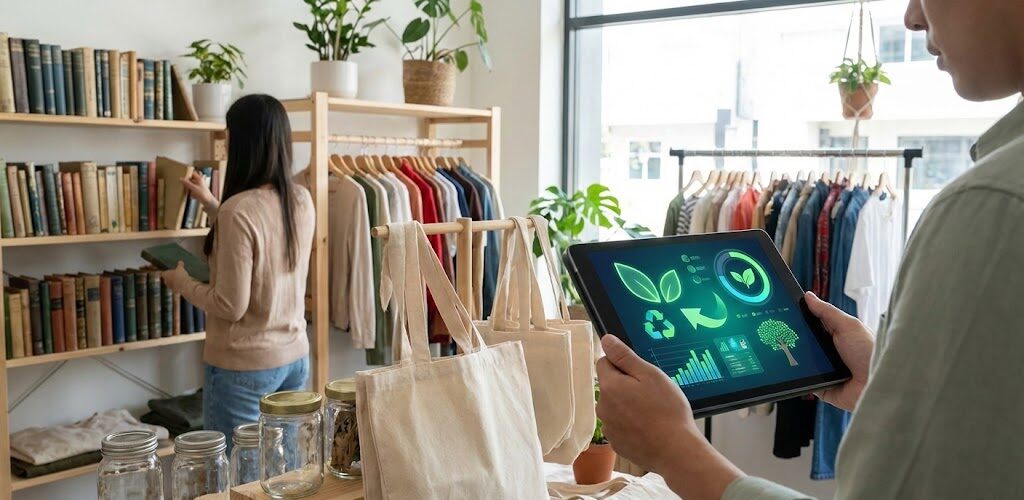
Making mindful choices at the store can transform the way we care for our planet. Every time you opt for a second-hand book, a thrifted sweater, or skip single-use plastics, you’re taking a step toward a healthier environment. Tools like our Sustainable Shopping Impact Calculator help shine a light on these efforts by breaking down how much carbon and waste you’re saving with each decision.
Why Small Choices Matter
It’s easy to underestimate the power of buying used or eco-conscious products. Yet, these actions reduce the demand for resource-heavy manufacturing and keep usable goods out of landfills. Imagine the collective impact if more of us embraced pre-loved electronics or durable, ethical brands over fast fashion. Our calculator offers a glimpse into your personal contribution, turning abstract ideas into tangible metrics.
Start Your Journey Today
Curious about your role in building a greener future? By exploring how your shopping habits stack up, you’ll uncover easy ways to amplify your positive influence. Dive into a lifestyle that prioritizes the planet—one purchase at a time—and let our tool guide you with meaningful insights.
FAQs
How does this calculator estimate my environmental impact?
Great question! We use generalized data based on industry averages to estimate the carbon footprint reduction and waste diversion from buying second-hand or sustainable products. For example, a thrifted shirt might save around 2-3 kg of CO2 compared to a new one. It’s not about exact numbers but giving you a clear picture of your positive impact to raise awareness and motivate greener choices.
Why should I focus on second-hand shopping?
Buying second-hand is a fantastic way to cut down on resource use and waste. New products often require significant energy, water, and raw materials to produce, while pre-loved items extend the life of something already made. Plus, it keeps stuff out of landfills. Even small shifts, like grabbing a used jacket instead of a fast-fashion one, add up over time to a big difference for the planet!
Can I trust the results of this tool?
Absolutely, though keep in mind our goal is education over precision. The results are based on widely accepted averages for environmental savings per item type—like electronics or clothing—when bought second-hand versus new. We’re here to highlight trends in your habits and celebrate your efforts, not to provide lab-grade data. Think of it as a friendly nudge toward more sustainable living!