
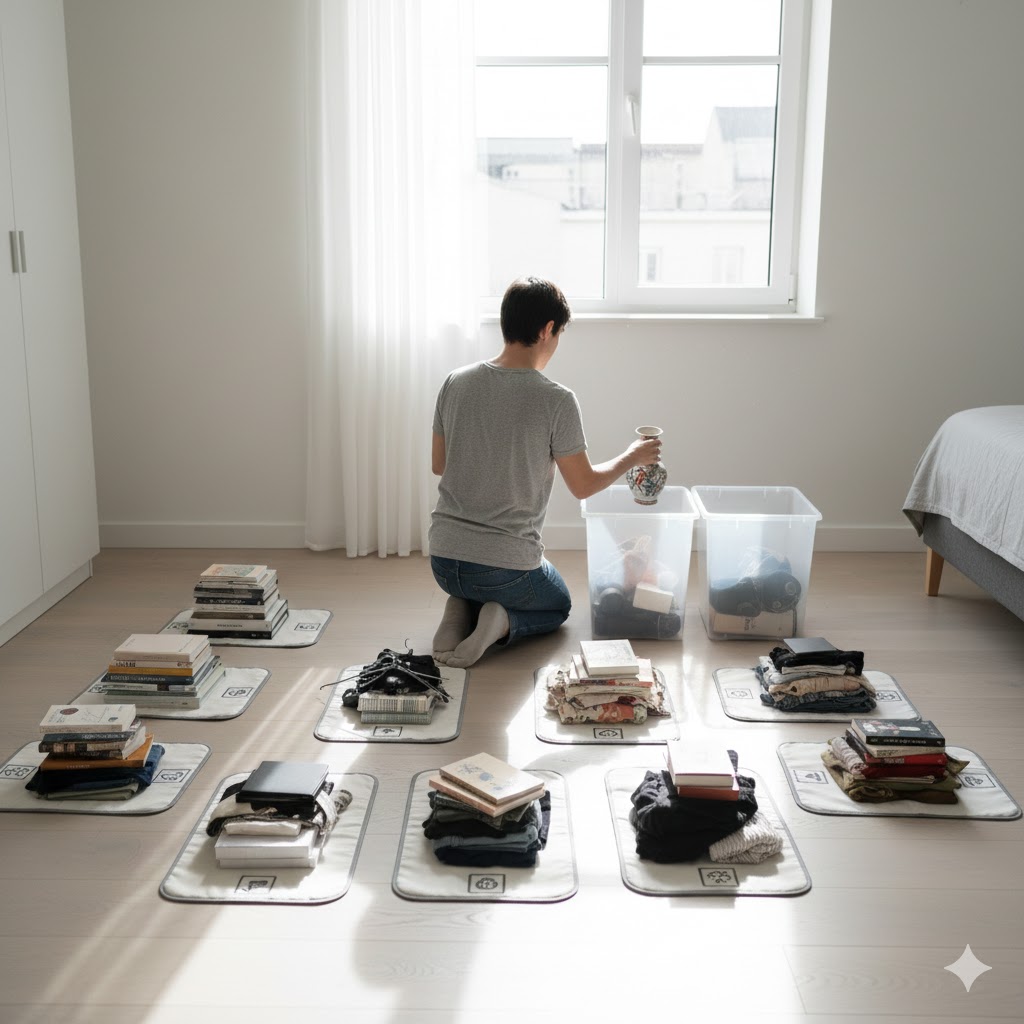
Minimalist decluttering is about clearing out what you don’t need while keeping your space functional and calm. Donating items instead of throwing them away helps reduce waste, supports local charities, and gives your belongings a second life. Here’s how to declutter and donate effectively:
- Use a Donation Basket: Place a basket in a high-traffic area for items you no longer use. Empty it regularly at a local donation center like City Thrift.
- Four-Box Method: Sort items into categories: Keep, Donate, Trash, and Recycle. This method simplifies decision-making.
- One-Year Rule: If you haven’t used something in a year, it’s time to let it go.
- Check Quality: Only donate clean, functional items that someone else can use.
- Prepare Items: Wash clothes, test electronics, and clean household goods before donating.
- Schedule Drop-Offs: Set a specific date to deliver your donations and avoid letting items pile up.
- Donate to Non-Profit Thrift Stores: Support organizations like City Thrift, where proceeds fund local programs for those in need.
- Include Seasonal Items: Review holiday decorations, seasonal clothes, and gear for donations.
- Involve Others: Get family or friends to help declutter and donate together.
- Consider the Impact: Choose items that will genuinely help others and support community-focused charities.
Donating responsibly not only helps you maintain a clutter-free home but also makes a meaningful difference in your community. Start small, stay consistent, and let your unused items help those in need.
1. Start Small with a Donation Basket
Why This Works
Using a donation basket is a simple yet effective way to ease into decluttering. Instead of overwhelming yourself by tackling your entire home at once, place a basket in a convenient spot and drop items into it as you come across them. Think of it as a low-pressure, ongoing process – when you notice a shirt you haven’t worn in ages or a book you’ve already finished, toss it in the basket instead of letting it clutter your space.
The trick is to keep the basket in a high-traffic area, like your bedroom closet or hallway. This way, it’s always within reach and serves as a gentle reminder to declutter. Whether you’re getting dressed in the morning or tidying up at night, the basket is there, ready to collect items you no longer need. It’s a habit that blends seamlessly into your daily routine with almost no extra effort.
How to Get Started
All you need is a container – anything from a box to a bag or a proper basket will do. There’s no setup required, and you can start immediately. This makes it perfect for anyone who feels overwhelmed by the idea of decluttering an entire room or home in one go.
What’s great about this method is its flexibility. There’s no pressure to fill the basket by a certain deadline or to tackle a specific area of your home. Items naturally accumulate over time as you go about your day. It’s also a family-friendly approach – everyone in the household can contribute, turning decluttering into a shared effort.
A Smarter Way to Donate
Having a dedicated donation basket increases the likelihood that your items will actually make it to a donation center rather than being forgotten in a closet or tossed in the trash. When the basket is full, it’s a clear signal to schedule a drop-off at a local organization, like City Thrift, where your donations can support community programs addressing homelessness and poverty.
This method also gives you time to review what you’re donating. While items sit in the basket, you can ensure they’re clean, functional, and in good condition – exactly what thrift stores need. Gently used clothes, books, and household goods are perfect for donation, while broken or overly worn items should go to recycling or the trash.
Each donation not only clears space in your home but also helps someone in need, giving your decluttering efforts a meaningful purpose.
A Minimalist Mindset
Minimalism is all about living intentionally and keeping only the things that add value to your life. A donation basket fits perfectly into this philosophy. It encourages you to regularly let go of items that no longer serve a purpose, freeing up both physical and mental space. Instead of holding onto things out of guilt or a “just in case” mentality, you can quickly move them into the basket and move on.
You can take this a step further by adopting a “one in, one out” rule: for every new item you bring into your home, remove one that you no longer need. This simple practice helps prevent clutter from creeping back in and keeps you mindful about what you’re adding to your space.
Once this habit becomes second nature, you’ll find it much easier to tackle larger decluttering projects like closets, garages, or entire rooms. You’ve already conditioned yourself to make quick, confident decisions about what stays and what goes, making the process feel less overwhelming.
Empty your basket regularly to keep the momentum going and enjoy the benefits of a clutter-free home.
2. Use the Four-Box Method for Sorting
Why the Four-Box Method Works
The Four-Box Method is all about making clear, immediate decisions for every item you sort. Instead of endlessly moving things around or procrastinating, this method pushes you to assign each item to one of four categories: Keep, Donate, Trash, and Recycle.
Here’s how to get started: Grab four containers – cardboard boxes, laundry baskets, or anything similar – and label them clearly. As you work through a drawer, closet, or even an entire room, place each item into the appropriate box right away. Items you use often and truly need go in the Keep box. Things in good condition but no longer useful to you belong in the Donate box. Broken or unusable items go in the Trash box. And anything recyclable – like paper, glass, or electronics – should go in the Recycle box.
How Easy Is It to Use?
The beauty of the Four-Box Method lies in its simplicity. Setting it up takes only a few minutes – all you need are four labeled containers and a marker. No fancy tools or equipment required.
This method is flexible enough to fit into any schedule. You can dedicate an entire afternoon to tackling a room or work in smaller, focused sessions of 30 minutes. If you’re just getting started, pick a small area to sort through. A good rule of thumb is to set aside 2–4 hours for your first session and commit to finishing that space within the time you’ve planned.
Once your boxes are ready, the next step is to follow through – whether that’s donating, recycling, or discarding items responsibly.
Supporting Responsible Decluttering
The Four-Box Method naturally promotes thoughtful decluttering. By sorting items based on their condition and usability, you ensure that only quality goods make it to donation centers. For example, places like City Thrift rely on receiving items in good shape to support their community initiatives.
At the same time, this method helps prevent unsuitable items – like broken appliances or torn clothing – from being mistakenly donated. Instead, those items can go into the Trash or Recycle boxes, where they’ll be handled appropriately. To keep the process effective, take action as soon as your boxes are full: drop off donations, recycle eligible materials, and dispose of trash properly. This follow-through is what keeps your decluttering organized and impactful.
Tying It to Minimalism
Minimalism is about holding onto what truly matters and letting go of the rest. The Four-Box Method aligns perfectly with this mindset, as it forces you to evaluate each item individually. While sorting, you might start noticing patterns in your habits – like buying things you don’t use or keeping items out of guilt or nostalgia.
If you’re stuck deciding whether to keep something, ask yourself: Do I actually use this? Does it still bring value to my life? If the answer is no, it might belong in the Donate box. This process helps reduce emotional attachments and encourages intentional decision-making. Plus, by repeating the method every so often, you can maintain a clutter-free environment and prevent things from piling up again. It’s a simple yet effective way to embrace minimalist living while staying organized.
3. Choose Items You Haven’t Used in a Year
Why This Works
The one-year rule is a simple way to cut through the clutter. If something hasn’t been used in the past 12 months, it’s probably time to let it go. This method eliminates the need for endless deliberation or emotional attachment, giving you a clear, practical standard for deciding what stays and what goes.
It’s especially effective because it accounts for the cycles of life – seasons, holidays, and special occasions. If that kitchen gadget, sweater, or hobby equipment hasn’t seen the light of day in a year, chances are it’s not essential. By applying this rule, you create a straightforward path toward a more organized and manageable space.
Interestingly, studies show that most Americans only use a small portion of their belongings, yet clutter often leaves them feeling overwhelmed and stressed.
How to Get Started
Minimalism thrives on the idea that everything you own should serve a meaningful purpose. The beauty of the one-year rule is that it doesn’t require fancy tools or detailed tracking – just your memory and a bit of honesty. Simply ask yourself: Have I used this in the past year? For most people, the answer comes quickly.
If you prefer a more visual approach, there are easy ways to track usage. For clothing, try the “reverse hanger” trick: turn all your hangers backward at the start of the year. Each time you wear something, flip the hanger forward. After 12 months, any hangers still facing backward reveal items you haven’t worn. For other belongings, label them with today’s date and check back in a few months to see what’s still untouched.
Decluttering doesn’t have to be overwhelming. Start small by focusing on one room or even a single closet. Set aside a couple of hours, keep a donation box nearby, and immediately place unused items into it. Taking action right away helps you avoid second-guessing and keeps your momentum going. Remember, you don’t need to tackle the entire house in one day – small, consistent efforts add up.
Making a Difference Through Donations
Once you’ve identified the items you no longer use, the next step is to make sure they’re put to good use. Donating these items can have a meaningful impact on your community. The one-year rule naturally leads to high-quality donations – things that are in good condition but no longer fit your lifestyle.
Organizations like City Thrift make it easy to ensure your donations help others. As they explain:
“The clothes you don’t wear anymore, those pots and pans taking up space in your cabinets…somebody wants to buy them, and that money will go directly to someone in need.”
Your unused clothes, kitchen tools, or household items can become valuable finds for others, while the proceeds support initiatives like homelessness and poverty relief through City Union Mission. This approach not only clears space in your home but also reduces waste by keeping usable items out of landfills.
By donating, you’re giving your items a second life and helping to support community programs. It’s a win-win: your home feels lighter, and others benefit from your generosity.
Aligning With Minimalist Values
At its core, minimalism is about intentional ownership – keeping only what truly adds value to your life. The one-year rule aligns perfectly with this mindset, helping you differentiate between what you need and what you’re holding onto out of habit, guilt, or the ever-persistent “just in case” mentality.
As you apply this rule, you might start noticing patterns, like buying clothes you rarely wear or collecting gadgets that sit unused. Recognizing these habits can lead to more thoughtful purchasing decisions, preventing clutter before it even starts.
Of course, there are exceptions. Seasonal items like holiday decorations, winter coats, or camping gear may require a different evaluation. Similarly, sentimental keepsakes or emergency supplies deserve special consideration. The key is to be honest about whether something is truly essential or simply collecting dust.
To maintain this mindset, review your belongings seasonally. Before making a new purchase, ask yourself: Will I still need or want this a year from now? This simple question encourages intentional living and helps keep unnecessary items out of your home.
City Thrift also makes donating convenient with drop-off hours from 9:00 AM to 9:00 PM, so you can declutter on your schedule. By regularly donating items you haven’t used in a year, you create a cleaner, more organized space while supporting programs that make a difference. It’s a small step that can lead to big changes – for you and your community.
4. Focus on Quality and Usability
Practicality of the Tip
When you’re decluttering, it can be tempting to just toss everything you no longer want into a bag and drop it off at the nearest donation center. But here’s the thing: not all donations are helpful. Quality and usability matter a lot. Non-profit thrift stores like City Thrift rely on selling donated items to fund community programs. If they can’t sell what you donate, it might actually create more problems than it solves.
A good rule of thumb? Ask yourself if you’d gift the item to someone else. If the answer is no, it’s probably better suited for recycling or disposal. For example, a clean, well-kept winter coat can quickly find a new home, but one with a broken zipper or visible stains might not.
Another great test is the “Would you buy it?” question, a tip often shared by donation centers and experts. If you wouldn’t spend money on the item in its current condition, it’s likely not donation-worthy. This extra step ensures your contributions make a real difference.
Ease of Implementation
Checking the quality of your items doesn’t take much – just a little time and honesty. Inspect each piece for damage, stains, or missing parts. For clothes, look for tears, worn-out areas, or broken zippers. Kitchenware should be clean and complete, while electronics and appliances need to be tested to confirm they’re in working order.
Take a moment to clean items before donating. Wash clothes, wipe down furniture, and scrub kitchen items until they’re presentable. This small effort can make a big difference in how appealing your donations are, which directly supports organizations like City Thrift in their mission.
To make this process even smoother, incorporate quality checks into your decluttering routine. Dedicate extra time to examining items as you sort. Keep a trash bag handy for anything that’s truly unusable, and be realistic about what can actually be donated. If something needs repairs, either fix it or let it go.
City Thrift provides clear donation guidelines on their website, outlining what they accept and the conditions required. Taking a few minutes to review these guidelines can save time and ensure your donations are truly useful.
Impact on Responsible Decluttering
In the minimalist approach to decluttering, every item should serve a purpose. When you donate quality items, you’re extending that purpose to someone else in your community. For City Thrift, this translates into more sellable goods, which generate funds for City Union Mission’s programs supporting homelessness and poverty relief.
By donating genuinely usable items, you’re not just clearing out your home – you’re also contributing to life-changing initiatives. Items like gently used clothing, clean kitchenware, and functioning electronics are valuable assets for these programs. On the flip side, broken appliances, incomplete board games, or stained bedding often create extra work and disposal costs for the charity.
There’s also an environmental aspect to consider. Donating unusable items increases waste and adds to the burden on charities. Starting with quality ensures that usable goods stay in circulation, reducing unnecessary waste and supporting sustainability.
The difference between a helpful donation and a burdensome one often comes down to condition. Items like clean, gently used clothing, toys with all their pieces, and working electronics are always appreciated. In contrast, worn-out shoes, broken appliances, and items missing parts often do more harm than good.
Relevance to Minimalist Principles
Minimalism isn’t just about owning fewer things – it’s about being intentional with what you keep and what you let go. Prioritizing quality and usability aligns perfectly with this mindset. It encourages you to think carefully about the value of each item, ensuring that what you donate can truly benefit someone else.
This approach also sheds light on your own buying habits. If you notice that you’re frequently donating items that were barely used, it might be time to rethink how you shop. Minimalism thrives on the idea that everything you own should serve a meaningful purpose, and that extends to the items you donate.
Regular quality checks during decluttering sessions can help you maintain a minimalist lifestyle over time. Instead of waiting until your home feels cluttered and overwhelming, you develop a habit of routinely evaluating your belongings. This practice keeps your space organized and ensures that your donations continue to make a positive impact.
City Thrift’s model is a great example of how quality donations can create real change. Their thrift stores sell donated clothes, furniture, and household items, with proceeds staying local to support City Union Mission. These funds provide resources and opportunities for people experiencing homelessness, but it all hinges on donations being in good enough condition to sell.
5. Prepare Items for Donation
Practicality of the Tip
Once you’ve decided what to donate, the next step is to get those items ready. Donations should be clean, organized, and in good condition for resale. Shoppers expect items to be ready to use, so it’s important to ensure they’re free of stains, dust, or damage.
Thrift stores like City Thrift depend on donations that are ready for the sales floor – not ones that require extensive cleaning or repairs. Preparing these items doesn’t take much – just some basic cleaning supplies. For clothing, wash them and fold them neatly. Household goods like dishes or picture frames can be wiped down to remove dust and grime. Electronics should be tested to confirm they work, and include any necessary accessories, like remote controls or charging cables.
Here’s a sobering fact: the U.S. Environmental Protection Agency reported that Americans generated 12 million tons of textile waste in 2018, but only about 2.5 million tons were recycled or donated. By taking the time to prepare your donations, you help ensure these items are reused instead of heading to a landfill.
Ease of Implementation
Getting your donations ready doesn’t require anything fancy – just basic cleaning supplies and some boxes or bags to organize. Most households already have what’s needed: laundry detergent, an all-purpose cleaner, microfiber cloths, and sturdy containers.
Start by sorting your donations into categories like clothing, household items, toys, books, and electronics. Clean and pack each group separately. For clothing, wash and inspect each piece for stains or tears while folding. If something can’t be cleaned, consider recycling or disposing of it responsibly.
Household items, such as kitchenware or small furniture, usually just need a quick wipe-down with a damp cloth to remove dust or fingerprints. For books, flip through the pages to remove personal notes or bookmarks, and check the cover and binding for damage.
Electronics take a little extra care. Test them to ensure they work, wipe them clean, and gather all their accessories. A DVD player without its remote or a phone charger missing its cable won’t be as useful to the next owner.
Once everything is clean, pack your items securely. Group similar items together – keeping kitchen goods in one box and books in another makes drop-off easier for both you and the donation center. For fragile items like dishes or glassware, wrap them in newspaper or bubble wrap to prevent breakage during transport.
City Thrift offers clear donation guidelines on their website. Spend a few minutes reviewing what they accept and any specific preparation tips. When your items are properly prepared, they’re more likely to sell quickly and make a bigger impact in your community.
Impact on Responsible Decluttering
Clean, functional donations sell faster, directly supporting vital community programs. When thrift store staff receive items that are ready to go, they can focus on getting them onto the sales floor instead of spending time cleaning or sorting. This efficiency translates into more resources for programs that help those in need, like individuals experiencing homelessness or poverty.
On the flip side, donations that arrive dirty, broken, or incomplete create extra work for charities. Staff may need to sort through these items to determine what can be salvaged and what must be discarded, pulling time and energy away from their core mission.
As City Thrift aptly puts it:
“Let your old stuff…do good stuff!”
But this only works if your donations are in a condition that someone else can use.
There’s also an environmental upside. Well-prepared donations are more likely to find a new home, keeping them out of landfills and extending their life. This aligns perfectly with the goal of responsible decluttering: making sure your unwanted items continue to serve a purpose rather than becoming waste.
Relevance to Minimalist Principles
Preparing your donations is an extension of the minimalist mindset. Minimalism is about keeping only what truly serves a purpose or brings you joy – and being intentional about how you let go of the rest. Taking the time to clean and organize your donations shows respect for both the items and the people who will use them next.
This process also encourages reflection on your buying habits. If you find yourself preparing items that were barely used, it might be a sign of impulsive purchases. Minimalism invites you to think more carefully about what you bring into your home so you can avoid unnecessary clutter in the future.
Incorporating regular donation prep sessions into your routine – whether monthly or seasonally – can help you stay organized and ensure your contributions continue to make a positive difference in your community.
6. Schedule a Donation Drop-Off Day
Why This Works
Setting a specific date and time to drop off your donations turns decluttering from a vague intention into a tangible action. Without a scheduled drop-off, those carefully packed boxes can linger in your garage or spare room indefinitely, becoming just another type of clutter instead of helping someone who could truly use them.
The good news? Scheduling a drop-off is simple and practical. Most donation centers, like City Thrift, offer flexible hours – 9:00 AM to 9:00 PM – so you can easily fit it into your day, whether you’re a morning person or prefer running errands in the evening. This wide window makes it easy to carve out just 30 minutes to an hour to complete the task without disrupting your routine.
Planning also allows you to streamline the process. Rather than making multiple trips for different items, you can gather everything – clothes, furniture, toys, and household goods – and drop it off in one go. City Thrift accepts a wide range of donations, making it a convenient one-stop destination for your decluttering efforts.
How to Make It Happen
Scheduling your donation drop-off is quick and keeps you focused. Start by picking a date within a week of finishing your decluttering. This short timeframe helps you maintain momentum while giving you enough time to prepare everything. Add the date to your calendar or set a phone reminder – treat it like any other important appointment.
Before your scheduled day, double-check the donation center’s hours and what items they accept. City Thrift has multiple locations in Kansas City and nearby areas, so it’s easy to find one close to home or along your usual routes. If you’re donating on a weekend or holiday, confirm their hours haven’t changed.
For larger items or a big batch of donations, call ahead. Some organizations even offer pickup services for oversized furniture, saving you the hassle of finding a truck or making multiple trips.
On the day of your drop-off, consider loading your car the night before. This small step eliminates the last-minute scramble and makes it easier to stick to your plan. Keep your items near the door or already packed in your vehicle so you’re ready to go without hesitation.
With everything in place, you’ll be set for a smooth and stress-free donation day.
Why It Matters
Following through on your drop-off plans does more than just clear out your space – it ensures your donations make an immediate difference. Scheduling a drop-off day helps you avoid procrastination, prevents items from piling up again, and ensures they reach the donation center quickly. When you stick to your plan, your items hit the sales floor faster, directly supporting programs like City Union Mission’s efforts to address homelessness and poverty.
Completing the entire decluttering process – from sorting to donating – provides a sense of closure and accomplishment. It also reinforces good habits, making it easier to maintain a clutter-free home and avoid falling back into old patterns.
Aligning with Minimalist Values
Minimalism is all about intentional living and keeping only what truly serves a purpose in your life. Scheduling a donation drop-off day aligns perfectly with this mindset by creating a clear boundary between what you’re keeping and what you’re letting go. It’s an act of commitment to a simpler, more deliberate way of living.
This approach also promotes mindful consumption. By setting up a regular donation schedule – whether quarterly or seasonally – you create natural opportunities to reevaluate your belongings. These checkpoints encourage you to think critically about what you actually need and use, helping you prevent clutter from creeping back into your life.
Making donation drop-offs a routine part of your life turns decluttering from a daunting task into a manageable habit. Instead of waiting until your home feels overwhelming, you’ll maintain a steady flow of items out the door. This small but consistent effort keeps your space organized and ensures that decluttering remains a source of relief, not stress.
7. Donate to Non-Profit Thrift Stores like City Thrift
Practicality of the Tip
If you’re looking for an efficient way to declutter, donating to a non-profit thrift store like City Thrift is a great option. These stores simplify the process by accepting a wide range of items – clothing, furniture, toys, books, and household goods – all in one place. No need to sort donations into categories or make trips to multiple locations. Just pack everything up and drop it off.
Got larger items, like furniture or bulky household goods? Many thrift stores, including City Thrift, offer pickup services. This means you don’t have to worry about renting a truck or making multiple trips, which is especially helpful if you’re clearing out an entire room or downsizing your home.
Ease of Implementation
Donating is straightforward. Start by gathering the items you no longer need, and if necessary, clean or repair them to ensure they’re in good condition. Before you head to the donation center, check the store’s website for its donation guidelines. This step ensures you’re not bringing items they can’t accept, saving you time and effort.
Focus on donating items that are clean, functional, and free from significant damage. Broken appliances, stained clothing, or heavily worn items aren’t ideal for donation – they’re better suited for recycling or proper disposal.
When you arrive at the donation center, staff will typically assist with unloading your items and provide a receipt. Hold onto this receipt for tax purposes. Donations to non-profit thrift stores are often tax-deductible, and you’ll need this documentation when filing your taxes. Be sure to record the items you donated and their estimated value to claim your deduction accurately.
Impact on Responsible Decluttering
Donating instead of tossing items in the trash has a big impact. It keeps usable goods out of landfills and gives them a second life. Your donations – whether it’s clothing, furniture, or household items – become affordable options for families who need them. This reduces waste and lessens the demand for new products to be manufactured.
The social benefits are just as important. When you donate to organizations like City Thrift, your contributions go beyond the items themselves. Proceeds from sales at City Thrift directly support City Union Mission, an organization that provides shelter, meals, and recovery programs for people experiencing homelessness and poverty in Kansas City. Your decluttering efforts translate into real support for individuals rebuilding their lives, turning unused belongings into meaningful resources for the community.
Relevance to Minimalist Principles
This donation process aligns perfectly with minimalist values. Minimalism is about living intentionally – keeping only what serves a purpose and letting go of the rest. By donating to non-profit thrift stores, you’re not just clearing out your home; you’re giving your items a new purpose by helping others. This approach ensures that everything you part with continues to have value, rather than sitting unused or going to waste.
It also encourages more deliberate buying habits. Knowing your donations make a difference can inspire you to be more thoughtful about what you bring into your home in the first place. It’s a reminder to avoid accumulating things you’ll eventually need to declutter.
Transparency is another factor many donors appreciate. People want to know how their donations are being used, and City Thrift makes this connection clear. Every item sold directly supports City Union Mission’s programs, reinforcing the idea that your possessions can continue to make a meaningful impact in your community.
“Let your old stuff…do good stuff!” – City Thrift
Creating a habit of regular donation drop-offs – whether every few months or seasonally – can help you stay on top of clutter. This routine gives you natural checkpoints to evaluate your belongings, keeping your home organized and your minimalist lifestyle sustainable. Plus, it ensures you’re consistently supporting community programs while maintaining a clutter-free space.
8. Include Seasonal and Holiday Items
Practicality of the Tip
Seasonal and holiday items are often easy to forget about when decluttering, yet they can be some of the best things to donate. Think about it – holiday decorations, winter coats, summer beach gear, or festive tableware often spend most of the year tucked away in storage. These items take up valuable space, and if they’re not being used, they’re just adding to the clutter.
The good news? Seasonal items are usually stored together, making them easier to review and sort. Instead of hunting through every room, gather all your seasonal items in one spot. This focused approach can save you time compared to dealing with everyday clutter scattered throughout your home.
Examples of seasonal items you might consider donating include:
- Holiday decorations like ornaments, lights, wreaths, or garlands
- Seasonal clothing, such as winter coats, summer dresses, or boots
- Holiday-specific tableware and serving dishes
- Seasonal sports gear, like old skis, snowboards, or beach equipment
- Holiday-themed throw pillows, blankets, or other decorations for events like Halloween, Thanksgiving, or Easter
Here’s a real-world example: In December 2024, City Thrift in Kansas City saw a 25% jump in donations of winter clothing and holiday decorations compared to the previous year. Many of these items found new homes through City Union Mission programs, helping families in need during the holiday season. It’s a reminder that these items are often in high demand in your community.
Ease of Implementation
Once you’ve identified your seasonal items, evaluating them doesn’t have to be overwhelming. Start by setting a simple timeline. For example, if you haven’t used a holiday decoration in two years or a seasonal item in the past year, it’s a strong candidate for donation. If you’re unsure about certain items, use a trial method – store them in a “penalty box” for three to six months. If you don’t miss them, it’s time to let them go.
Here’s how this might work: Say you’re unsure about some holiday decorations in January. Pack them up separately, and if you don’t think about them before the next holiday season, donate them. The same logic applies to seasonal clothing – if you go an entire winter without wearing a particular coat, it’s probably not worth keeping.
Before donating, make sure everything is clean and in good condition. Test holiday lights to ensure they work, wipe down ornaments, and wash or dry-clean seasonal clothing. For kitchen items or tableware, check for cracks or chips and give them a thorough cleaning.
To simplify the donation process, organize items by category. For instance, put all holiday decorations in one box, winter clothing in another, and so on. This not only makes it easier for you but also helps donation centers sort and distribute these items efficiently. Many non-profit thrift stores, like City Thrift, accept seasonal items year-round.
Impact on Responsible Decluttering
Donating seasonal and holiday items does more than just clear out your storage – it keeps usable goods out of landfills and gives them a second life. Instead of letting decorations or clothing sit unused and deteriorate, you’re passing them on to someone who can enjoy them. This approach reduces waste and provides affordable options for families, especially during the holidays.
Plus, the proceeds from donated items often support local programs. For instance, when you donate to City Thrift, your contributions help fund community initiatives.
“All proceeds from our thrift stores in Kansas City and the surrounding communities are kept local and benefit City Union Mission. City Union Mission is driven to give people experiencing homelessness in our community the opportunities and tools they need to achieve well-being.” – City Thrift
Relevance to Minimalist Principles
Including seasonal items in your decluttering process ties directly to minimalist values. Minimalism encourages keeping only what you truly need or love, and seasonal items often don’t cut since they’re used so infrequently. By donating these items, you not only free up storage space but also reduce decision fatigue, creating a more intentional and stress-free living environment.
Regularly reviewing seasonal items also helps you avoid unnecessary purchases. For example, setting aside time at the start of each season to evaluate what you’ve kept ensures everything still serves a purpose. A simple “one in, one out” rule can also help – if you buy new holiday decorations, donate or discard an equal number of old ones. This keeps your seasonal storage manageable and ensures you’re only holding onto items that truly add value to your life.
9. Involve Family or Friends in the Process
Practicality of the Tip
Decluttering doesn’t have to be something you tackle alone. Bringing family or friends into the mix can turn what feels like an overwhelming chore into a productive and even enjoyable group effort. With extra hands, decisions get made faster, and the momentum keeps going strong.
The benefits are immediate. When multiple people pitch in, you can divide and conquer. One person might tackle the closet while another sorts through the garage. Or you could assign roles – someone organizes items, another packs boxes, and someone else researches donation centers. This teamwork approach makes even the most daunting projects feel manageable.
Having others involved also brings fresh perspectives. A friend might point out that something you’re hesitant to part with is an obvious candidate for donation. Family members can provide objective input when you’re emotionally attached to items, helping you let go of things you’re holding onto out of guilt rather than necessity. Plus, friends might even want some of the items you’re ready to part with, saving you a trip to the donation center and giving those items a new home.
Planning a group decluttering session is simple. Pick a date and time that works for everyone, and let them know in advance. Keep the session to a manageable length – 2 to 4 hours is usually ideal – and gather supplies like boxes, bags, and markers ahead of time. Choose a time of day when everyone has the most energy, and don’t forget to include breaks and snacks to keep spirits high. With a little preparation, you’ll be ready to go when everyone arrives.
Ease of Implementation
Getting started with group decluttering is easy if you keep it organized. Clear categories like Keep, Donate, Sell, and Trash help everyone understand their tasks without confusion, keeping the process efficient.
For families with kids, assign tasks based on age. Younger children can sort their toys or clothes, learning valuable decision-making skills about what they actually use and enjoy. Even toddlers can help by placing items into labeled boxes. This hands-on approach teaches them that their belongings can bring joy to others, fostering a sense of generosity.
To keep everyone engaged, work in short, focused bursts – 15 to 30 minutes at a time – with breaks in between. Set a timer, focus on one specific area, and then take a breather. You’ll be amazed at how much progress you can make when everyone is working together in concentrated intervals.
If some family members are hesitant, frame the activity as a team effort rather than a criticism of their belongings. Highlight the benefits they’ll care about – more space for hobbies, easier cleaning, or finding things without the frustration of searching. Start small, like with a single closet, rather than announcing a whole-house decluttering project, which can feel overwhelming.
Impact on Responsible Decluttering
Beyond the immediate benefits, involving others ensures that items actually make it to their intended destinations. With extra help, you can properly prepare items for donation – someone can test electronics, another can clean and fold clothes, and someone else can arrange transportation for larger items like furniture. This teamwork ensures donations don’t just sit in your garage for months.
Group involvement also creates accountability. Assign someone to handle drop-offs or pickups, and suddenly those donation boxes are out of the house instead of becoming new clutter. Plus, the social nature of the process adds a layer of motivation – you’re not just cleaning; you’re actively contributing to your community.
For example, donating to non-profit thrift stores like City Thrift allows everyone to see the impact of their efforts. Proceeds from these donations stay in Kansas City and nearby areas, supporting City Union Mission’s initiatives for homelessness and poverty relief. Knowing your work has a meaningful purpose makes the process feel rewarding, not just like another household task.
Relevance to Minimalist Principles
Involving family or friends aligns perfectly with the minimalist goal of intentional living. When everyone participates in sorting through belongings, it fosters a shared understanding of what it means to keep only what you truly need or cherish. This collective effort builds household accountability, making it easier to maintain a decluttered space over time.
For families, making decluttering a regular activity – perhaps once every season – helps prevent clutter from creeping back. Kids who take part learn to evaluate their possessions thoughtfully, asking questions like, “Do I use this? Do I love this?” instead of holding onto things out of habit. These lessons about mindful ownership can stick with them for life.
Seeing others confidently let go of items can also inspire you to do the same. The group dynamic creates a positive kind of peer pressure, helping you recognize when you’re holding onto something for the wrong reasons. And when items go to friends or trusted charities, it’s easier to feel good about parting with them, knowing they’ll be appreciated and put to use.
After the initial decluttering session, keep the momentum going by building accountability into your routine. Have family members regularly check in about maintaining shared spaces. Create a system where everyone agrees to consult the group before bringing new items into the house. This collective commitment to simplicity is far more effective – and enjoyable – than trying to uphold it alone, especially when you’re living with others who might not naturally embrace the minimalist mindset.
10. Think About the Impact of Your Donation
Practicality of the Tip
When you’re decluttering, take a moment to think about where your items will end up. This small shift in mindset turns donating from a simple act of getting rid of things into a way to genuinely help your community. It’s not just about clearing space – it’s about ensuring what you give can actually make a difference.
Ask yourself a straightforward question: Will this item really help someone? To answer that, start by researching local charities or thrift stores to see what they actually need. For instance, organizations like City Thrift in Kansas City have clear guidelines on what items work best for resale. Some items, like gently used professional clothing, kitchen supplies, or children’s gear, are always in demand. On the other hand, some goods might not sell well or be useful.
Understanding the ripple effect of your donation can make the process so much more rewarding. Take City Thrift as an example: the proceeds from their sales stay local, supporting City Union Mission’s programs for people experiencing homelessness. In 2023 alone, these donations helped over 1,200 individuals and provided volunteer opportunities for more than 500 community members. Knowing these details gives you a clear picture of how your efforts contribute to something bigger.
Ease of Implementation
Adding this impact check to your routine doesn’t have to be complicated. Before you donate, make sure the item is clean, functional, and something you’d feel good about giving to someone else.
A quick mental checklist can help:
- Does the clothing have stains or tears?
- Do electronics work properly?
- Is the furniture sturdy and complete?
These simple steps take only a few seconds per item but ensure your donations are truly helpful.
You can also go a step further by contacting organizations directly. A quick phone call or a visit to their website can tell you what they need most at the moment. For example, charities often look for winter coats in November or school supplies in August. Timing your donations to meet these needs ensures your contributions have the greatest impact.
This thoughtful approach also helps weed out items that aren’t suitable for donation. Things like broken appliances, heavily worn shoes, or stained linens shouldn’t cut. By filtering these out, you save charities the burden of sorting and disposing of unusable goods.
Impact on Responsible Decluttering
Thinking about the impact of your donations helps tackle one of the biggest challenges of decluttering: avoiding the temptation to just pass your clutter problem onto someone else. By donating genuinely useful items, you’re practicing a more responsible approach that benefits everyone involved.
When you donate thoughtfully, you extend the life of your items, reduce waste, and directly support community programs. For example, non-profit thrift stores like City Thrift use their proceeds to fund City Union Mission’s programs, which provide resources and opportunities for individuals experiencing homelessness.
“Let your old stuff…do good stuff!” – City Thrift
This mindset also helps avoid a common mistake: donating things you wouldn’t use yourself. If something is too damaged, outdated, or worn out for you to give to a friend, it’s likely not suitable for donation either. By holding yourself to this standard, you ensure that recipients receive items they can actually use and appreciate.
Relevance to Minimalist Principles
Looking at donations through a minimalist perspective reinforces the idea of intentional ownership. You’re making deliberate choices about where your belongings go, ensuring they continue to serve a purpose instead of becoming waste.
This approach also highlights the minimalist value of quality over quantity. When you focus on donating items that will truly help others, you naturally become more mindful of what you bring into your home. Knowing that your possessions might one day be passed along encourages you to prioritize well-made, versatile items that can serve multiple owners over time.
Thinking about the impact of your donations creates a positive cycle. Each time you see or hear about the good your contributions have done, it reinforces the benefits of living with less. This makes future decluttering easier because you’ve experienced how letting go can lead to meaningful change in your community.
The trend of mindful donating is growing, with more people taking the time to ensure their contributions are genuinely helpful. Instead of simply dropping off bags of random items, they’re being intentional about what they give.
You can take this one step further by staying connected with the organizations you support. Volunteer, read their impact reports, or follow their updates to see how your donations are making a difference. When you view decluttering as part of a larger purpose – helping your neighbors, reducing waste, and strengthening community ties – it becomes less of a chore and more of a meaningful practice that aligns with your values.
Conclusion
Donating responsibly has a ripple effect, benefiting the environment, your community, and even your own sense of well-being. Every thoughtful donation contributes to reducing waste, supporting local causes, and fostering a more intentional lifestyle.
From an environmental perspective, donating helps cut down on waste and conserves resources. For instance, Americans produce over 12 million tons of textile waste each year, much of which could be reused instead of ending up in landfills. By giving items in good condition a second life, you help reduce the demand for new production and lower greenhouse gas emissions.
In your community, donations can spark meaningful change. Take City Thrift in Kansas City as an example. All the proceeds from their thrift stores stay local, directly benefiting City Union Mission, which provides essential programs for individuals experiencing homelessness. When you donate gently used clothing, furniture, or household goods, you’re not just clearing out your home – you’re funding initiatives that make a tangible difference in people’s lives. Knowing your contributions are helping others can also reinforce a sense of purpose and mindfulness in your own life.
On a personal level, decluttering and donating can be incredibly rewarding. A tidy, stress-free living space has a calming effect, and the knowledge that your items are aiding others adds a layer of fulfillment. Small steps, like keeping a donation basket at home or setting regular drop-off dates, can make this process more manageable and sustainable.
More people are adopting this mindful approach to donating. Instead of simply dropping off random bags of items, they’re taking the extra effort to clean and prepare donations, check what local organizations need, and choose non-profits that align with their values. This ensures their contributions truly make an impact.
If you’re ready to start, consider placing a donation basket in your home today. Schedule a drop-off with a local non-profit thrift store that resonates with your values. For example, if you’re in Kansas City, City Thrift accepts donations like clothing, furniture, toys, and household items, with proceeds going toward homelessness and poverty relief programs. No matter where you live, finding a cause you care about ensures your donations have the impact you want.
Thoughtful donating creates a positive cycle. With every intentional decluttering session, you’ll see the good your contributions can do, making it easier to let go of unneeded items in the future. It’s not just about organizing your home – it’s about joining a larger movement toward sustainability, community care, and purposeful living. By donating intentionally, you embrace a lifestyle of less clutter and more meaning. Let your unused items make a difference – donate responsibly.
FAQs
How can I make sure my donated items truly help the community and don’t go to waste?
Donating to organizations like City Thrift is a great way to ensure your items make a real difference. Your contributions not only help provide affordable second-hand goods but also fund programs aimed at tackling homelessness and poverty in your community.
To make your donations as impactful as possible, focus on clean items, gently used, and in working condition. This approach minimizes waste and ensures your donations can be reused or sold to support these important initiatives.
What should I avoid when getting items ready to donate?
When getting items ready for donation, it’s important to avoid a few common missteps to make sure your contributions are both useful and appreciated:
- Donating items in poor condition: If something is broken, stained, or too worn out, it likely can’t be resold or reused. Aim to donate items that are in good, usable condition.
- Skipping donation guidelines: Every organization has its own rules about what they can accept. Take a moment to check their guidelines before dropping off your items to avoid wasting time or resources.
- Overlooking seasonal needs: Donating out-of-season items, like heavy winter coats in the middle of summer, might delay their benefit to those in need. Try to match your donations to the current season for maximum impact.
By putting in a little extra effort to organize and prepare your donations, you can ensure they truly help others. If you’re near Kansas City, consider giving to City Thrift. Your donations there support vital homelessness and poverty relief efforts through City Union Mission.
How can getting family and friends involved make decluttering and donating easier?
Involving family and friends in your decluttering and donation process can turn what might feel like a daunting task into a fun and efficient experience. They can bring fresh perspectives, helping you decide what to keep or donate, speed up the sorting process, and provide emotional support when it’s tough to part with sentimental items.
Decluttering together also opens the door for bonding moments. You might share stories about the items you’re letting go of, reminiscing about their history as you sort. Plus, with extra hands, it’s much easier to organize and transport donations to places like City Thrift, where your contributions can help support community programs.