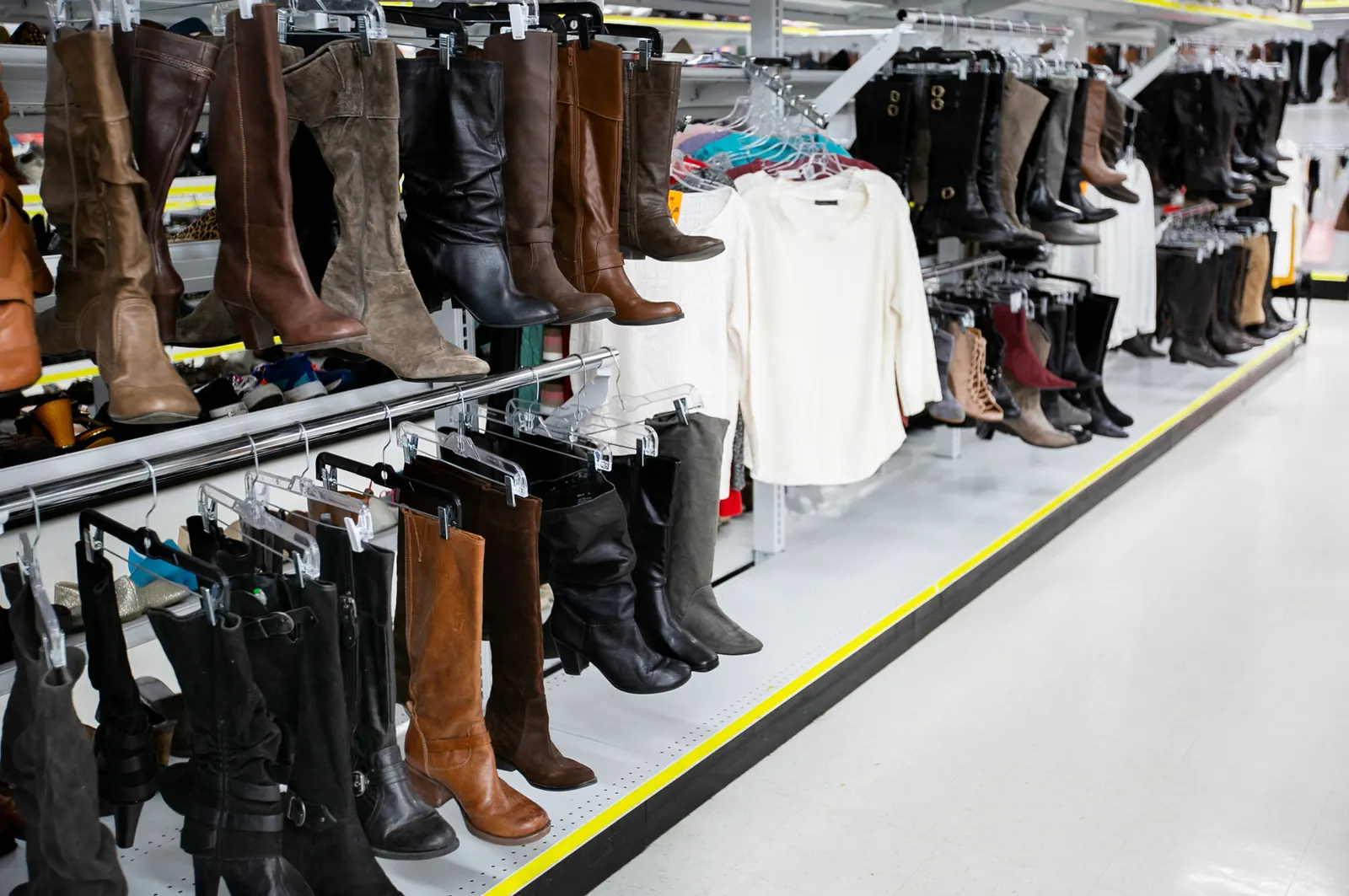
Decorating your home can be affordable, stylish, and eco-friendly when you use thrifted textiles. By choosing pre-owned fabrics, you save money, reduce waste, and support local communities. City Thrift, with locations in Kansas City and nearby areas, offers a rotating selection of secondhand textiles like curtains, rugs, and linens at budget-friendly prices. Plus, every purchase helps fund City Union Mission‘s programs for homelessness relief and family support.

Here’s a quick breakdown of what you’ll find in this guide:

  • Where to Shop: City Thrift stores in Kansas City offer a daily-changing inventory of quality textiles.
  • How to Choose: Look for natural fibers, tight seams, and vintage details like bold prints or hand-stitched designs.
  • When to Shop: Post-holiday and spring-cleaning seasons are the best times for fresh donations.
  • Cleaning Tips: Wash, freeze, or steam items to eliminate dirt, odors, and pests before use.
  • DIY Projects: Transform thrifted fabrics into pillow covers, wall art, or even custom curtains.
  • Styling Ideas: Layer rugs, throws, and pillows, or use bold textiles as focal points to elevate your décor.

Thrifted textiles not only bring charm and character to your space but also promote sustainability and community support. Ready to start? Visit City Thrift and discover how secondhand fabrics can transform your home.


Where to Find Quality Thrifted Textiles at City Thrift

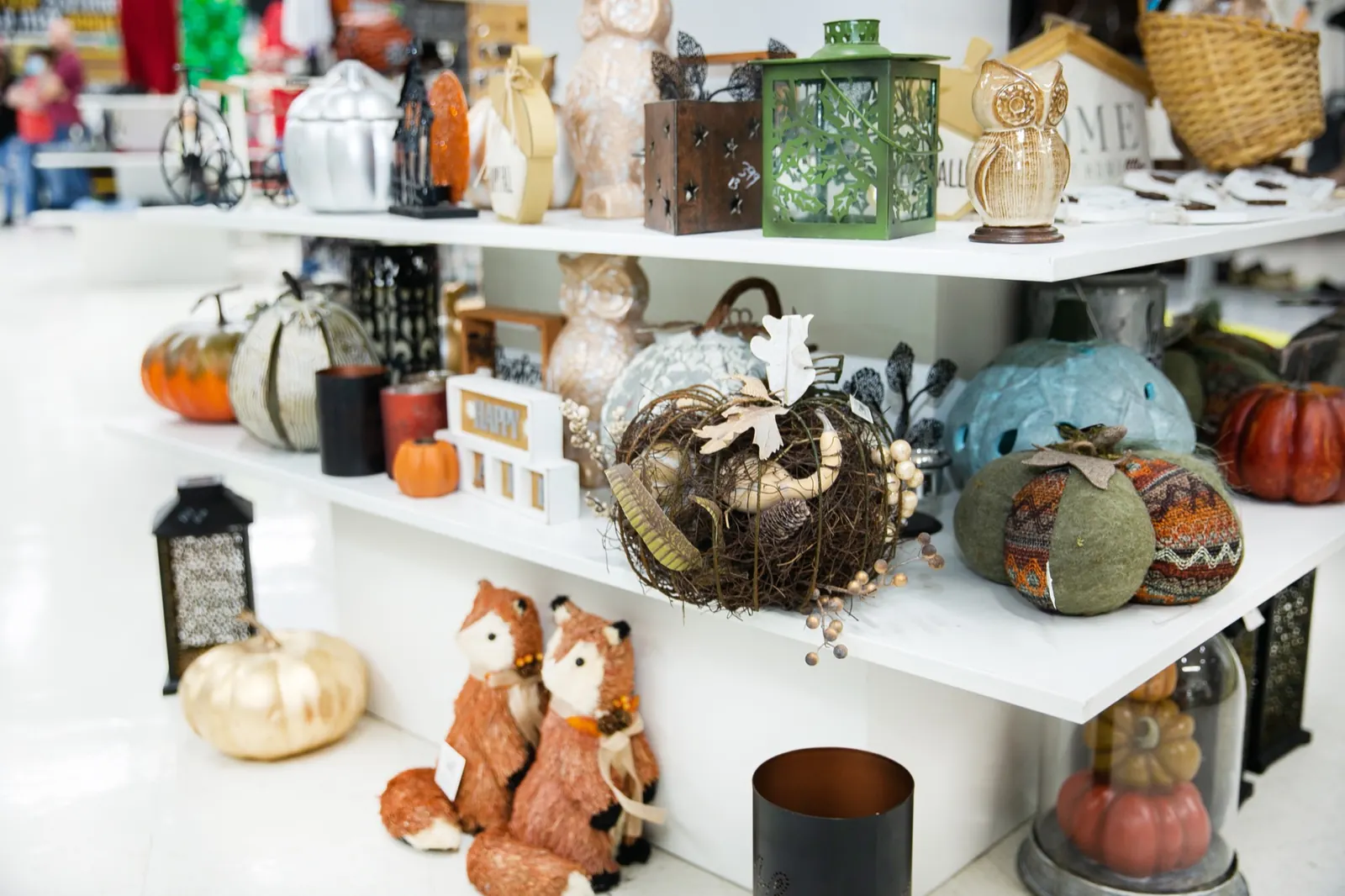
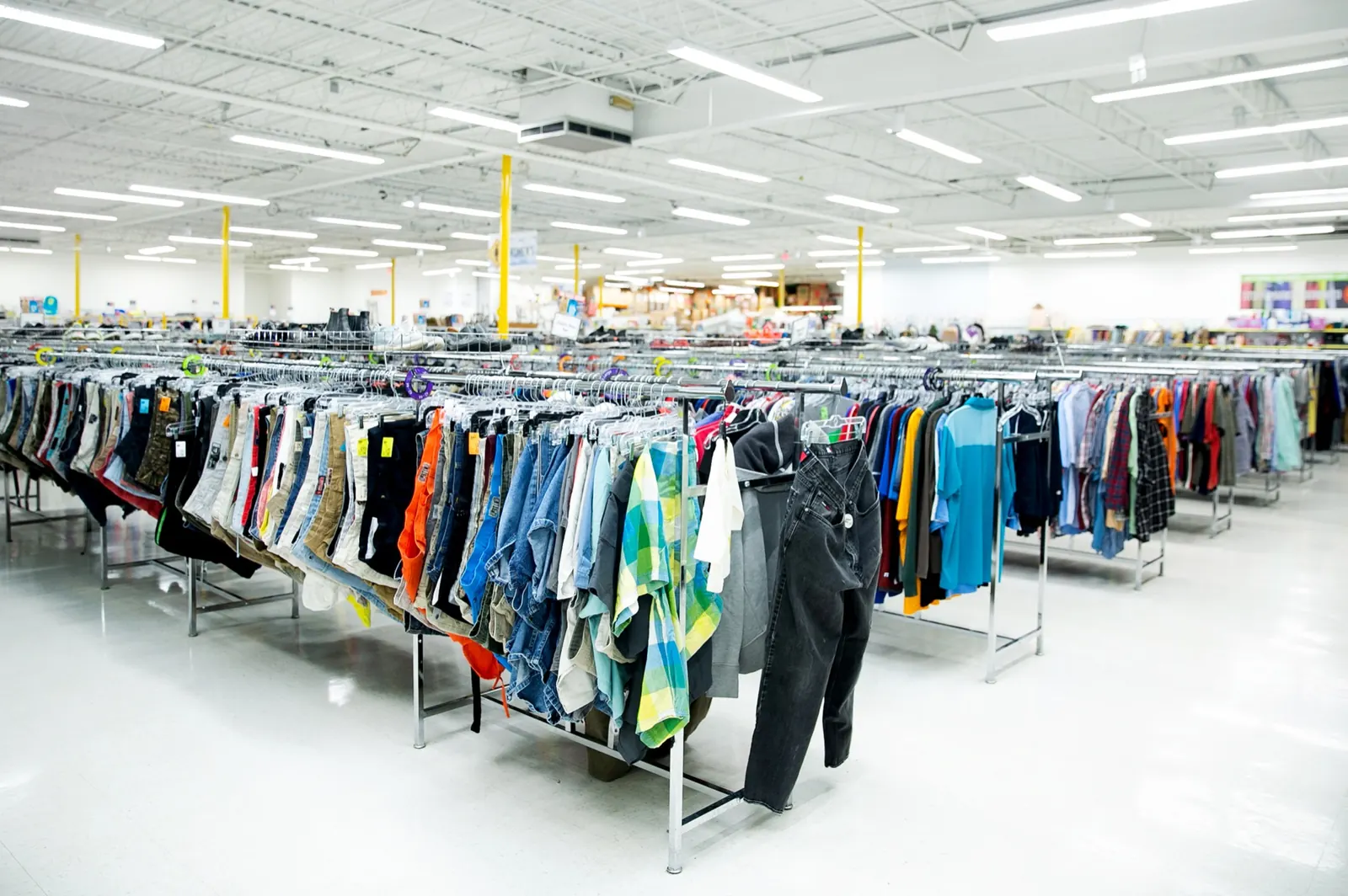
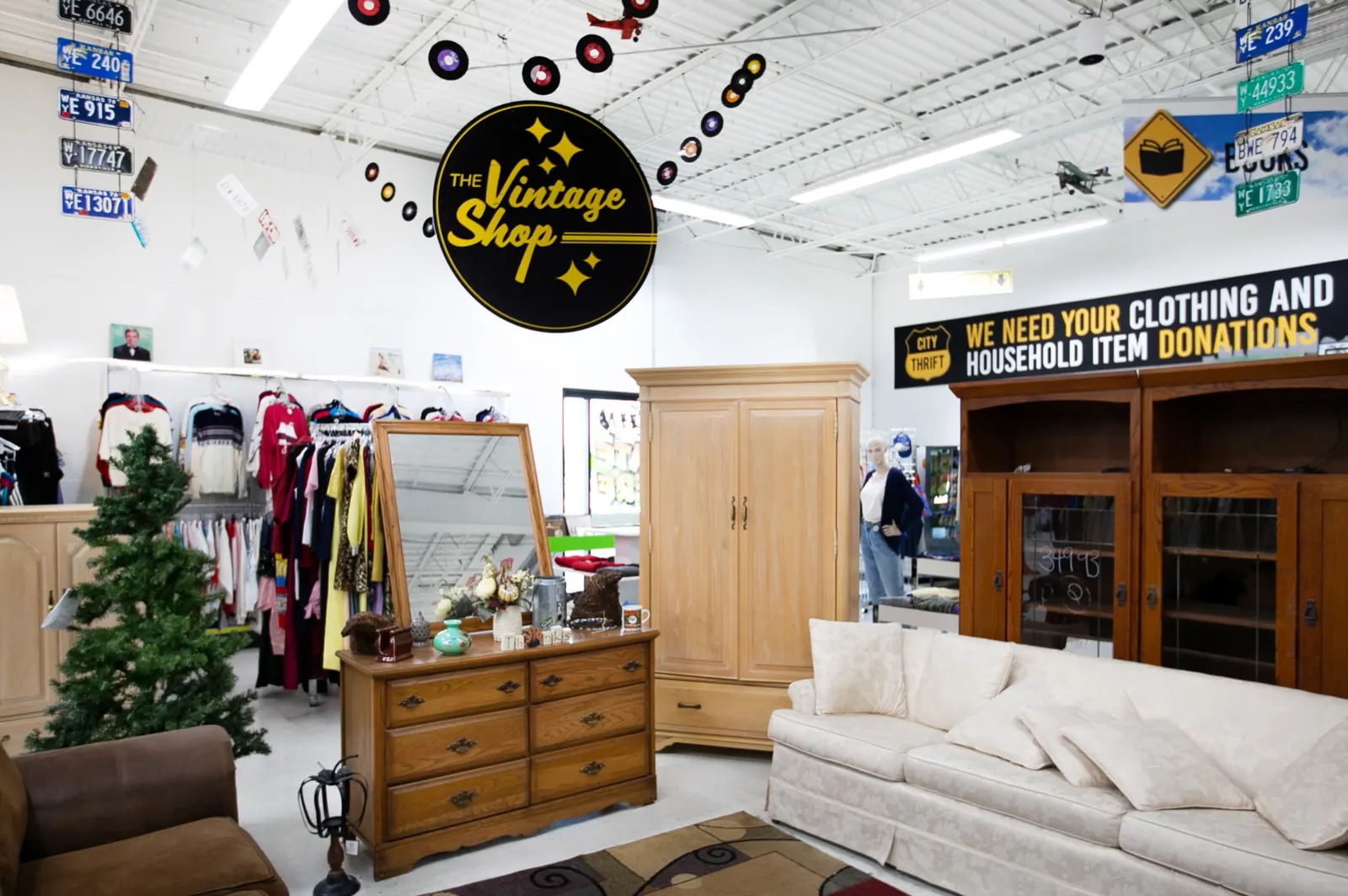
City Thrift has several locations in Kansas City and nearby areas, including Overland Park, Shawnee, Waldo, and Lawrence. Each store offers a rotating selection of second-hand textiles that are perfect for home decor projects. You’ll find curtains and area rugs in the home goods section, blankets and linens in the bedding area, and even scarves and fabric pieces tucked among the clothing racks. Most items are budget-friendly, with prices like $1–$3 for cloth napkins and scarves, $2–$5 for kitchen towels, and $5–$15 for smaller rugs. Since the inventory is sourced from community donations collected daily between 9:00 AM and 9:00 PM, the selection changes every day, making it easy to discover something fresh and exciting each time you visit.

How to Spot Quality Textiles

When searching for high-quality textiles, start by checking labels for natural fibers such as cotton, linen, and wool, which are known for their durability and rich texture. Feel the fabric; quality pieces tend to be thicker with little to no pilling. Flip items inside out to examine the seams – tight stitching without fraying is a good sign. Avoid anything with a shiny synthetic look, as it’s prone to quick wear.

Vintage pieces often stand out with hand-stitched details, faded patinas, or labels from brands like Ralph Lauren. Keep an eye out for bold florals, geometric designs, or mid-century prints that add character to your space. Even if a rug or blanket has a small stain, you can repurpose unstained sections for smaller projects like pillow covers or framed fabric art.

Interior designer Penny Morrison says, “Detailed textiles create richness of color/pattern and add texture; using vintage is sustainable and bespoke”.

Don’t forget to thoroughly browse the linen section, scanning racks from top to bottom – hidden treasures like embroidered tablecloths or vintage flour sack towels are often overlooked. And don’t skip the clothing racks! Scarves with intricate patterns or even velvet tops can be transformed into unique decor pieces or textile art.

When to Shop for the Best Selection

Timing is everything when it comes to finding the best textiles. Visit during donation surges to get first pick of the newest inventory while supporting community efforts. The biggest influxes typically happen after the holidays in January and during spring cleaning season in April and May, when people are decluttering. In winter, you’ll find heavy wool blankets and rugs, while summer brings lighter options like cotton scarves and breezy curtains. August, with its back-to-school rush, often adds printed sheets and kids’ textiles to the mix.

For a quieter shopping experience with freshly stocked shelves, head to City Thrift on mid-week mornings before the crowds arrive. Weekends can be busier due to donation drives, but they also mean faster turnover, so you might still score something great. Bring a reusable bag to grab your finds quickly – affordable vintage textiles tend to disappear fast. Since donations are processed continuously, stopping by weekly gives you an edge in spotting that perfect set of linen curtains or a one-of-a-kind tapestry.


Cleaning and Preparing Your Thrifted Textiles

When you bring home textiles from City Thrift, cleaning them right away is a must. This helps get rid of dirt, odors, and potential pests. Most thrift stores don’t wash items before putting them on shelves, so this step is critical. Keep these thrifted pieces separate from your other home fabrics until they’ve been thoroughly cleaned. This prevents any unwanted smells or pests from spreading.

For an extra layer of protection, seal the textiles in a plastic bag and freeze them for 72 hours. This simple trick eliminates bed bugs, moths, silverfish, and even their eggs – no chemicals needed. If you’re dealing with items made before 1971, don’t expect care labels since they weren’t required until the early 1970s. In such cases, you’ll need to determine the fabric type yourself or consult a professional dry cleaner.

Once pests and odors are handled, it’s time to wash and tackle stains with care.

Washing Methods and Stain Removal

Wash your thrifted textiles separately in hot water (140°F) to kill germs and check for color bleeding. To neutralize odors, soak the items in a mixture of 1 cup of white vinegar per gallon of water. Vinegar naturally breaks down odors, while baking soda can absorb lingering smells from items that can’t be washed.

For stubborn stains, here’s what works best:

  • Oil stains: Apply dish soap directly to the stain, let it sit for 5–10 minutes, then wash as usual.
  • Wine or tannin stains: Use a mixture of vinegar and water (1:1 ratio) and blot the stain with a white microfiber cloth to avoid transferring dye.
  • Protein stains (like sweat or blood): Make a paste with baking soda and cold water, apply it to the stain, and let it sit for 10 minutes before washing.

“Washing secondhand clothes with detergent at a temperature of around 140 degrees Fahrenheit will clean dirt from the clothes – and will also kill germs and pathogens”, according to Science Alert.

After washing, sturdy cottons can go in the dryer on high heat for sanitizing. However, vintage items should always be air-dried flat to avoid shrinkage. For non-washable items, use a garment steamer at 140°F, focusing on seams and cuffs where bacteria often hide. Sunlight can also work wonders as a natural bleach for white fabrics and helps remove organic stains like mildew.

Delicate and vintage textiles need a bit more care to preserve their charm.

Caring for Delicate and Vintage Fabrics

Once cleaned, delicate and vintage textiles should be handled with extra care. If the fabric feels brittle, it’s best to leave the cleaning to a professional. Always test cleaning solutions on a hidden area first, such as an inside seam, and wait for it to dry fully to avoid discoloration.

“The older a garment is, the less it should be washed or handled”, says Shilla Kim-Parker, CEO of Thrilling.

For handwashing delicate fabrics, soak them in a solution of 1 part vinegar to 4 parts water for 30–60 minutes. Rinse thoroughly, then gently wash with mild soap. If you prefer machine washing, place the item in a mesh lingerie bag, use the gentlest cycle, and choose cold water for synthetics or warm water for natural fibers. When in doubt with blends, stick with cold water. Avoid using a dryer – lay these items flat on a clean towel or drying rack. Steer clear of hangers, as they can distort the shape permanently.

For especially fragile textiles that can’t be washed, you can vacuum them. Use a soft brush attachment, placing a fiberglass screen or cheesecloth between the nozzle and the fabric to avoid damage. To deodorize without washing, lightly mist the fabric with a spray bottle containing a mix of 1/3 cup vinegar and 2/3 cup water. Items with heavy beadwork, structured linings (like suits or coats), or materials such as leather, fur, or velvet should be entrusted to professional dry cleaners experienced in vintage restoration.


DIY Projects Using Thrifted Textiles

Once you’ve cleaned your City Thrift textiles, it’s time to get creative. Repurposing just one cotton sheet can conserve about 700 gallons of water and divert some of the 4.5 billion pounds of textile waste produced annually. Most of these projects are budget-friendly, often costing less than $10, and require only basic skills.

When shopping, don’t limit yourself to the fabric section. Items like shower curtains, tablecloths, blankets, and oversized clothing often provide large pieces of fabric for as little as $1.99. Many of these come with finished edges, saving you time and effort during prep.

With your materials ready, dive into a variety of DIY projects suitable for every skill level.

No-Sew Projects for Beginners

If you’re new to crafting, no-sew projects are a fantastic way to start. Iron-on hem tape allows you to create pillow covers or curtains without a needle and thread. For wall art, try framing vintage tea towels, rug fragments, or patterned napkins. This DIY trick costs about $5, a far cry from the $100+ price tag of retail prints.

Want quick window treatments? Hang tablecloths or flat sheets using curtain ring clips. You can even turn a damask tablecloth into a shower curtain with a grommet kit or use a staple gun to reupholster chair seats with kitchen towels. Scarves also make elegant table runners when draped down the center of a dining table.

Basic Sewing Projects

If you’re comfortable with a sewing machine or needle and thread, you can elevate your upcycling game. Vintage sheets or shower curtains with pre-finished edges are perfect for crafting pillowcases or cushion covers, cutting down on sewing time. Wool or cable-knit sweaters can be transformed into cozy, textured throw pillow covers.

Stick to natural fibers like cotton, linen, or wool to avoid issues like pilling. If you’re working with “dry clean only” items, always test-wash them first to ensure durability. Small imperfections like holes or stains can be concealed with appliqués or by trimming the fabric.

Updating Textiles with Dye and Paint

Take your thrifted textiles to the next level by customizing their colors. Natural fibers such as cotton, linen, silk, and wool absorb dye beautifully. You can deepen or saturate colors with ease, though lightening fabrics might require a color remover.

For example, one project involved transforming 16 IKEA Tibast curtain panels into a rich navy hue using a mix of 4 oz navy and 2 oz black Rit dyes. The process included agitating the fabric every seven minutes during a 30-minute cycle to achieve an even finish. To ensure smooth dyeing, keep the fabric moving and add ¼ cup of salt per gallon of water (or white vinegar for wool and silk).

“Dyeing is as much an art as a science, so don’t hesitate to experiment.” – Martha Stewart

For more intricate designs, try fabric paint. Use stencils or freehand techniques to create patterns, making sure to pre-wash the textiles for better color absorption.


Decorating with Thrifted Textiles

Your DIY efforts have prepped these textiles, but the magic happens when they’re woven into your home’s décor. Start by selecting one or two accent colors and a neutral base to let your textiles shine. With these pieces ready, let’s explore how to style them for maximum impact in your living spaces.

Layering Rugs, Throws, and Pillows

Layering textiles is an easy way to bring warmth and depth to any room. Begin with a neutral base, like large linen sheets or muted thrifted rugs. Add texture in the middle layer with crochet blankets, wool throws, or kilim pillows. Finally, finish with bold statement pieces such as Suzani fabrics, vintage silk scarves, or embroidered tea towels.

Mixing materials like linen, wicker, and metal can further enhance the look, creating contrast and dimension. If the arrangement feels too busy, balance it with smoother elements, such as a glass vase or a metallic mirror.

“I tend to stick to a color palette when thrifting items to make it easier to incorporate in my home, while embracing many textures and tones for layering these pieces.” – Elizabeth Rooney, creator of lifewithliztoday

Combining Different Patterns and Colors

Once you’ve layered textures, coordinating patterns is the next step to achieving a cohesive look. Choose a “hero” print that stands out as the focal point, then complement it with smaller-scale patterns. Stick to a color scheme of 5–6 hues, repeating 2–3 primary colors throughout the space for consistency. For example, pair bold florals with subtle pinstripes or geometric patterns with animal prints.

Shades like navy, olive, charcoal, and burgundy act as versatile “new neutrals”, grounding the room without feeling stark. Designer Tania Richardson advises,

“Choose a specific color scheme and vary the shades for unity.”

Don’t forget that textured materials like boucle or jute can act as understated patterns, adding depth without overwhelming the space.

Using Bold Textiles as Focal Points

Bold textiles can serve as stunning centerpieces for a room. Consider hanging large 1970s drapery panels or vintage rugs on decorative rods to create instant wall art that adds both texture and color. Smaller bold pieces, like vintage tea towels or rug fragments, can be framed for affordable yet striking wall décor – this DIY approach costs about $5, compared to $100 or more for store-bought prints.

To tie the room together, pull accent colors from your focal piece and repeat them in smaller elements like pillows or vases.

“Unusual uses sometimes make the most striking statement.” – Lisa Mabey, Designer and Founder of Lisee Ree Designs

If vintage textiles feel too dated, balance them with modern touches, such as a sleek lamp or metallic finishes, to keep the space feeling fresh and balanced.

Layering Element Purpose Best Thrifted Textile to Use
Base Layer Provides a neutral foundation Large linen sheets or neutral-toned thrifted rugs
Middle Layer Adds texture and warmth Crochet blankets, wool throws, or kilim pillows
Top (Focal) Layer Adds bold pattern and color Suzani fabrics, vintage silk scarves, or embroidered tea towels

Conclusion

Decorating with thrifted textiles is a smart way to save money, reduce environmental impact, and add a personal touch to your home. With just $50, you can create a look that rivals a $500 retail setup. Plus, repurposing a single cotton sheet saves around 700 gallons of water while keeping waste out of landfills. Considering Americans discard over 13 million tons of clothing and textiles annually, every effort counts.

These textiles also bring quality and charm that’s hard to find in mass-produced items. Vintage fabrics often feature superior natural fibers and craftsmanship, without the chemical off-gassing that comes with new products. The secondhand market, valued at $28 billion in 2019, highlights a growing interest in thoughtful consumption.

“Every thrifted item means fewer resources are used, less pollution is created, and one less thing ends up in a landfill.” – The Sharing Center

Beyond the environmental and aesthetic perks, thrift shopping can directly support your local community. For example, shopping at City Thrift in Kansas City not only helps you furnish your home but also funds programs through City Union Mission. These initiatives support homelessness relief, job training, and housing assistance.

Ready to start your thrifted textile journey? Visit your nearest City Thrift location at https://citythrift.org to discover a wide selection of fabrics, linens, and household textiles. Embrace the “one-in, one-out” rule by donating an item for every new one you bring home. Each choice you make strengthens your commitment to sustainability and helps build a stronger community.


FAQs

What’s the best way to find high-quality thrifted textiles?

To find top-notch thrifted textiles, start by evaluating the fabric. Natural fibers like cotton, wool, silk, cashmere, or linen tend to feel smoother, heavier, and more durable compared to synthetic options. Run your fingers over the material – check for a tight, even weave and steer clear of fabrics that snag easily. Gently stretch the fabric to test its resilience; well-made pieces will have strong seams without loose threads.

Next, take a close look at the construction. High-quality items often feature double-stitched seams, reinforced areas at stress points, and functional hardware like securely attached buttons or zippers that glide smoothly. Pay attention to details like linings and neatly finished hems, which are signs of good craftsmanship. Lastly, assess the item’s condition. Minimal pilling, no permanent stains, and a neutral or fresh scent are all indicators that the piece has been well-maintained.

City Thrift’s Kansas City locations offer a fantastic opportunity to put these tips into practice. Their extensive selection of donated home textiles makes it easy to discover unique, high-quality pieces that can enhance your home décor – all while contributing to a meaningful cause.

How should I clean thrifted fabrics to make them fresh and safe to use?

To clean thrifted fabrics, it’s important to start by checking the care label and sorting items based on color and material. For most fabrics, use a gentle cycle with cold water and a mild detergent to help preserve both colors and fibers. If you spot any stains, pre-treat them with a gentle stain remover. For an extra level of cleanliness, you can soak the items in a solution of one part white vinegar to four parts water for about 30–60 minutes before tossing them in the wash.

When it comes to delicate or vintage fabrics, hand-washing is your best bet. Use lukewarm water and a small amount of gentle detergent or even baby shampoo, then rinse thoroughly. If you need to use a washing machine, stick to cold water on a gentle cycle and consider adding a laundry sanitizer for added care. Always air-dry these items by laying them flat or hanging them up to keep their shape intact. For darker or brighter pieces, turn them inside out to minimize fading.

If you’re just looking to give fabrics a quick refresh, try hanging them in direct sunlight to naturally neutralize odors. Alternatively, a light mist of fabric refresher spray can do the trick. By following these steps, your thrifted treasures from City Thrift will stay clean, fresh, and ready to bring charm to your home.

What are some creative ways to use thrifted textiles in home decor?

Thrifted textiles are an affordable and eco-conscious way to bring personality and charm into your home. From vintage fabrics to quirky prints and secondhand materials, these treasures can be repurposed into eye-catching decor with just a little effort.

Turn thrifted fabrics into custom pillow covers, table runners, or even reusable gift wrap. A vintage scarf can become striking wall art when framed, while an old tablecloth can refresh your dining table. For projects that don’t require sewing, use hemming tape to create lampshade covers or decorative garlands. Mixing materials like linen, cotton, or denim adds texture and depth, giving your space a cozy, layered feel.

Before diving in, take a close look at your finds for any stains or wear, and give them a good wash or steam. With a bit of creativity and just a few dollars, you can transform your home into a space filled with unique, eco-friendly touches that feel both welcoming and stylish.