

When you’re facing financial hardship in Kansas City, several programs can help with rent, utilities, food, and more. Whether you’re dealing with an eviction notice, overdue bills, or food insecurity, here’s a quick breakdown of key resources to know about:

  • Seton Center: Offers rent and utility assistance, a food pantry, clothing, and even dental services. Applications open monthly, and funds are limited.
  • Catholic Charities (Serve & Lift Program): Provides rent, utility, and food aid while connecting families to long-term support. Call early in the week for assistance.
  • Cross-Lines Community Outreach: Focuses on eviction prevention and utility aid for Wyandotte County residents. Strict income limits apply.
  • LIEAP (Low Income Energy Assistance Program): Helps with heating costs during winter. Applications are open until March 31, 2026.
  • United Way 211: A 24/7 hotline connecting residents to various emergency resources across the metro area.

For immediate help, start by calling 211 or contacting specific programs directly. Below, you’ll find details on eligibility, services offered, and how to apply.


Kansas Emergency Rental Assistance (KERA)

The Kansas Emergency Rental Assistance (KERA) program has officially concluded after distributing over $290 million to assist 32,000 households, fully utilizing its federal funding. According to Ryan Vincent, KERA successfully helped over 30,000 families remain securely housed during critical times.

Although the program has ended, its framework can help you identify similar active initiatives. For current options, dial 2-1-1 or 816-474-5112. Below, you’ll find an overview of KERA’s eligibility criteria, coverage, and application process, which may serve as a useful guide for exploring other housing assistance programs.

Who Qualified and What Was Covered

KERA provided support to Kansas City residents on the Kansas side, including Wyandotte and Johnson counties, who met specific income and hardship criteria. Eligible households needed to earn less than 80% of the Area Median Income (AMI) – for example, $69,300 annually for a family of four. Additionally, at least one household member had to demonstrate financial hardship due to COVID-19, such as a job loss or increased medical expenses.

The program offered up to 15 months of assistance for overdue and current rent, along with up to three months of future rent at a time. It also covered unpaid utility bills (electric, gas, water), a one-time $750 internet payment, and other fees like security deposits, late fees, and legal costs. Payments were made directly to landlords and utility companies, ensuring funds were applied to housing-related expenses.

How the Application Worked

The application process required close coordination between tenants and landlords. Applicants needed to submit online forms, along with supporting documents such as valid identification (driver’s license, passport, or birth certificate), proof of residency, income verification, and bills showing the amounts owed.

Since KERA is no longer active, residents are encouraged to visit the Kansas Housing Resources Corporation website for their “KERA closure FAQs“, which provide details on alternative housing assistance programs currently available.


Seton Center Emergency Assistance

Seton Center serves residents across seven Kansas City ZIP codes: 64126, 64127, 64128, 64129, 64130, 64109, and 64108. In 2024 alone, the center provided crucial aid to 1,069 individuals, all living at or below 200% of the poverty line, with one-third of those helped being children.

“Seton Center offers compassionate rent and utility assistance, empowering individuals and families to overcome financial hardships with dignity working with landlords, lenders and utility companies working to stabilize their daily living challenges.” – Seton Center

Their services are designed to address urgent needs while helping stabilize families and individuals facing financial challenges.

Services Available

Seton Center provides direct financial assistance for rent and utilities, ensuring payments go straight to landlords, lenders, or utility companies – not to the individuals themselves. Beyond financial aid, the center offers a range of additional support, including:

  • A food pantry (accessible every 21 days for households earning 185% or less of the Federal Poverty Level)
  • A clothing closet (by appointment)
  • A dental clinic
  • Mental health services for children
  • Diaper distribution

Through AccessKC vouchers, the center also helps cover emergency dental care, prescriptions, eye exams, glasses, hearing aids, and durable medical equipment for households at or below 200% of the Federal Poverty Level.

How to Apply

Applications for emergency assistance open on the first business day of each month and are accepted only while funds last. The center operates Monday through Friday, from 9:00–11:30 AM and 1:00–3:30 PM, at 2816 East 23rd Street, Kansas City, MO 64127. To check if funds are still available, call 816-581-4726.

Here’s what you’ll need to bring when applying:

Required Documents What to Bring
Head of Household ID Any government-issued ID with your name, birthdate, and photo
Household Verification Social Security card, birth certificate, passport, visa, or 1040 form for all household members
Proof of Address Utility bill, lease, mortgage deed, or award letter dated within the last 30 days
Proof of Need A copy of a utility bill or a landlord’s letter stating rent is overdue


If transportation is a barrier, call 816-581-4701 to arrange assistance. Since funds are limited, it’s best to apply as early in the month as possible.


Catholic Charities Emergency Assistance (The Serve & Lift)

The Serve & Lift program from Catholic Charities serves as the main access point for emergency services across 27 counties in Western Missouri. In the past year, the program distributed over $1 million in rent, utility, food, and other emergency aid to families in need. On average, those seeking assistance had a monthly income of just $774.

“Meeting life’s basic needs is the first step to stability. When you’re hungry, without a stable home or can’t pay your utility bills, it’s difficult to move forward.” – Catholic Charities of Kansas City-St. Joseph

The program operates with a dual focus: addressing immediate needs while also connecting individuals to resources that promote long-term stability. Similar to other programs in Kansas City, Serve & Lift combines short-term crisis relief with pathways to sustainable support. Guided by Catholic Social Teaching, which emphasizes the dignity and worth of every person, the program ensures that no one seeking help is turned away. Here’s a closer look at the services provided to stabilize families in crisis.

Available Assistance

Serve & Lift offers direct support for rent and utility payments and runs “The Market”, where individuals can access groceries, fresh produce, and personal hygiene products. This includes diapers, formula, and other baby essentials through a partnership with Happy Bottoms.

Staff members also assist with screening for benefits like SNAP and Medicaid to simplify the process for families. Additional services include transportation assistance and referrals to other community resources. For instance, in February 2022, the Emergency Assistance Fund helped Larry, a wheelchair user facing eviction, by covering a two-night motel stay. Volunteers and staff worked together to move his medical equipment and belongings, preventing him from becoming homeless.

Getting Help

For rent or utility assistance, call 816‑221‑4377 on Monday at 8:15 a.m., as only a limited number of households are accepted each week. If you need hygiene items, diapers, or food from The Market, no appointment is required during walk-in hours.

Below is the schedule for office locations and hours:

Location Address Walk‑In / Market Hours
Main Office / Serve & Lift Center 8001 Longview Road, Kansas City, MO 64134 Tue/Thu: 9:00 a.m.–4:00 p.m.; Wed: 1:00 p.m.–7:00 p.m.; 1st Sat: 8:00 a.m.–12:00 p.m.
Rockhurst Office 5151 Troost Ave, Ste 100, Kansas City, MO 64110 Mon–Thu: 8:30 a.m.–4:00 p.m.
St. Joseph Office 1123 S 10th St., St. Joseph, MO 64503 Mon–Thu: 1:00 p.m.–3:30 p.m.
Wyandotte County (KCK) 600 Minnesota Ave, Kansas City, KS 66101 Contact for specific hours


Please note that all Catholic Charities offices are closed on Fridays. You can also reach out by email at assistance@ccharities.com.


Cross-Lines Emergency Rent & Utility Assistance

Cross-Lines Community Outreach provides emergency rent and utility assistance exclusively to residents of Wyandotte County. This support includes help with electric, gas, and water bills, focusing on eviction prevention for tenants who have received eviction or delinquency notices. However, the program does not extend assistance for mortgages. Applicants work closely with a navigator to review their financial situation and coordinate with landlords or utility companies to stabilize housing.

“The mission of Cross-Lines is to provide people in the Kansas City area affected by poverty with services and opportunities that encourage self-confidence, meet the needs of today, and provide tools for future self-sufficiency.” – Cross-Lines Community Outreach

The program prioritizes early action. According to Cross-Lines, “Early communication with tenants and landlords/utility companies allows for more time to respond and explore all options”. Applicants must demonstrate a plan to stabilize their finances within 30–60 days. Due to limited funding, assistance often covers only part of the owed amount. Next, let’s explore the income criteria required to qualify.

Income Requirements

To be eligible, your household income must fall below 150% of the federal poverty level or 50% of the Area Median Income. Proof of income is required, which can include recent pay stubs, award letters, or documentation of public benefits. This program is tailored for households that may not meet the eligibility requirements for the Kansas Emergency Rental Assistance (KERA) program.

Applicants are generally ineligible if they have received rent or utility assistance from Cross-Lines or another agency within the last 12 months. Identification is required for all household members, such as a driver’s license, birth certificate, or Social Security card. Additionally, proof of Wyandotte County residency must be provided, which can include a lease agreement, state-issued ID, or a utility bill. Once you’ve met these criteria, adhering to the application guidelines is essential.

Program Rules

Applications are available online for a brief window – 10 to 15 minutes – on Mondays at 2:00 p.m. Be prepared with digital copies of all required documents. If you’re unable to access the online form, you can call 281-3388 and leave a message.

For utility assistance, you’ll need to provide a disconnect notice, as a standard past-due bill will not be sufficient. Rent assistance requires an eviction or delinquent notice, along with evidence of economic hardship, such as layoff notices or medical bills. Once submitted, staff typically respond within 10 business days to inform applicants of approval or denial. Keep in mind that submitting an application does not guarantee funding, as assistance depends on available resources and staffing.


Low Income Energy Assistance Program (LIEAP)

The Low Income Energy Assistance Program (LIEAP) is a federally funded program designed to help Kansas City residents manage their home heating costs during the coldest months of the year. It provides a one-time annual payment that goes directly to your fuel vendor or landlord if heating costs are included in your rent. This single payment can make a big difference when temperatures drop.

LIEAP is managed by the Kansas Department for Children and Families (DCF), and the availability of funds depends on federal allocations each year. If you’re in the Kansas City area and need help navigating utility assistance, you can reach out to the Mid America Assistance Coalition (MAAC) at 768-8900 or the United Services Community Action Agency (USCAA) at 358-6868 for guidance.

Who Qualifies and What’s Covered

To be eligible for LIEAP, an adult in your household must take personal responsibility for the heating costs at your current residence. Everyone living at the same address must apply together using a single application – separate submissions are not allowed. Eligibility is based on several factors, including your household’s combined gross income, size, available resources, and responsibility for energy costs.

Your household income must fall within 150% of the federal poverty level to qualify. For example, in 2026, the maximum gross monthly income for a single-person household is $1,956, while a family of four can earn up to $4,019. The amount of the benefit you receive depends on your income, household size, type of home, and heating fuel type.

Household Size Maximum Gross Monthly Income
1 $1,956
2 $2,644
3 $3,331
4 $4,019
5 $4,706
6 $5,394
7 $6,081
8 $6,769
Each additional person +$688

When to Apply

The application period for 2026 opened on January 20, 2026, at 8:00 a.m. and will close on March 31, 2026, at 5:00 p.m.. This deadline is firm – applications submitted after 5:00 p.m. on March 31 won’t be accepted. Applications can be submitted electronically through the Kansas DCF website.

Before applying, make sure to gather proof of income for all household members and your most recent heating bill. If you have questions or need assistance, call 888-369-4777. Applying early is a good idea, as it gives you time to resolve any issues with your documentation before the deadline.


United Way 211 Service

United Way 211 is a free and confidential referral service that helps Kansas City residents connect with emergency aid programs and community resources anytime, day or night. Covering 23 counties in and around the Kansas City metro area, the service operates 24/7 to ensure help is always available [32,33].

With access to a database of over 7,000 community services, trained Community Resource Specialists match callers with the right programs. In 2024 alone, the service handled over 476,000 contacts, successfully meeting 91% of caller needs. It’s worth noting that United Way 211 is the only regionally accredited information and referral service in the area, recognized by Inform USA (formerly AIRS) [33,34].

Using the Service

There are several ways to access United Way 211. You can dial 2‑1‑1 or 816‑474‑5112 to speak directly with a specialist. Alternatively, you can visit 211KC.org or the United Way of Greater Kansas City website to search the resource database online. For non-English speakers, language interpretation services are available, making the service accessible to a diverse population across the Kansas City metro area.

If you’re seeking financial assistance, such as help with rent or utilities, it’s important to have specific documents ready before calling. These include income verification (like pay stubs or award letters), Social Security numbers for everyone in your household, a photo ID, and your current utility bill. Having these on hand can streamline the referral process and get you the help you need faster.

Programs Available Through 211

United Way 211 connects individuals and families to a wide variety of services, including:

  • Financial Assistance: Support for rent, mortgages, utilities, home repairs, and free tax preparation through the Volunteer Income Tax Assistance (VITA) program for households earning less than $67,000 [35,36].
  • Housing Support: Resources to prevent eviction, access shelters, transitional housing, and free legal aid through the Right to Counsel Program for Kansas City, MO residents facing eviction [35,37].
  • Food and Basic Needs: Access to food pantries, free meals, SNAP application assistance, and supplies like baby items.
  • Health and Crisis Services: Help with mental health support, domestic violence hotlines, and medical expense assistance.
  • Employment and Education: Connections to job training programs, GED classes, work clothing, and English language courses.

Next, we’ll dive into tips for preparing your application and ensuring you have all the necessary documents to make the referral process as smooth as possible.


Preparing Your Application

Getting your documents organized ahead of time can save you a lot of hassle. Create one folder – either physical or digital – that holds all the essentials: your ID, proof of residency, income verification, and any documentation showing financial hardship. Since many Kansas City programs ask for similar paperwork, having everything in one place makes it much quicker to apply to multiple programs. Plus, being prepared can help you get a faster response from emergency aid services.

Start with documents that confirm your identity and where you live. For identity verification, you’ll need a government-issued photo ID like a Driver’s License, State ID, Passport, or Military ID. If you don’t have a photo ID, some programs will accept alternatives like a birth certificate or tribal identification. Next, gather proof of residency – a current lease agreement works best, but utility bills or government mail addressed to you are also acceptable. Be sure the name on your application matches the name on your lease or utility account, as mismatched information can delay or even halt your application.

You’ll also need to verify your household income and financial need. Start by collecting income verification documents for all adult members of your household. This could include recent pay stubs, W-2 forms, or your latest tax return. If you’re already receiving benefits like SNAP, TANF, WIC, Medicaid, SSI/SSDI, or Free and Reduced Lunch, your award letter can often serve as proof of income. Additionally, you’ll need Social Security numbers (or at least the last four digits) for everyone in your household. To demonstrate your financial emergency, gather documents like a past-due rent notice, eviction notice, utility shut-off notice, or a letter from your landlord specifying the amount owed.

If you’re applying online, it’s a good idea to scan or take photos of all your documents beforehand to avoid session timeouts or losing progress. Keep in mind that applications can take anywhere from 4–6 weeks for a caseworker to respond. During this waiting period, try to make partial payments to avoid eviction or disconnection.

One important point to note: most programs send funds directly to your landlord or utility company instead of giving the money to you. So, be ready to provide your landlord’s contact information and your utility account number when you apply.


Program Comparison Chart

Here’s a quick-reference chart to help you compare Kansas City’s emergency aid programs. Each program varies in terms of services offered, eligibility requirements, and deadlines.

Note: Some pandemic-era rental assistance programs, such as KERA and ERA2, are no longer active.

Use this chart to evaluate service types, eligibility criteria, and application deadlines:

Program Service Type Coverage Area Eligibility Application Deadline
Catholic Charities (The Serve & Lift) Food, Basic Needs Kansas City metro Families facing food insecurity Ongoing
LIEAP / K-WAP Energy Bills, Weatherization Statewide (Kansas) 150% federal poverty or 60% state median income K-WAP: April–March (year-round)
CCED Essential Services Fund Rent, Mortgage, Utilities, Food Central KC (Ninth St. to Gregory; Indiana to Paseo) Must live within the CCED Sales Tax District; up to $3,000 Ongoing
KC Water Help Water Bills KC Water service area KC Water customers: up to $500 per year Ongoing
Spire Energy Aid Natural Gas Bills Missouri service area Income or job loss; up to $400 Ongoing
City Union Mission Shelter, Food Kansas City metro Homeless or facing a housing crisis None (immediate)
United Way 211 Referrals to multiple services Kansas and Western Missouri Varies by the referred program Varies


Among these, the CCED Essential Services Fund stands out with the largest single award of up to $3,000, though it is limited to residents within a specific area in central Kansas City. If you live outside that boundary, other programs might offer broader coverage, albeit with smaller individual awards.

For households receiving TANF or SSI, the Kansas Weatherization Assistance Program (K-WAP) provides automatic eligibility and prioritizes elderly residents, individuals with disabilities, and families with children. This program operates year-round, running from April through March, ensuring consistent support.

Next, discover how City Thrift contributes to these emergency aid efforts.


How City Thrift Supports Emergency Aid Programs

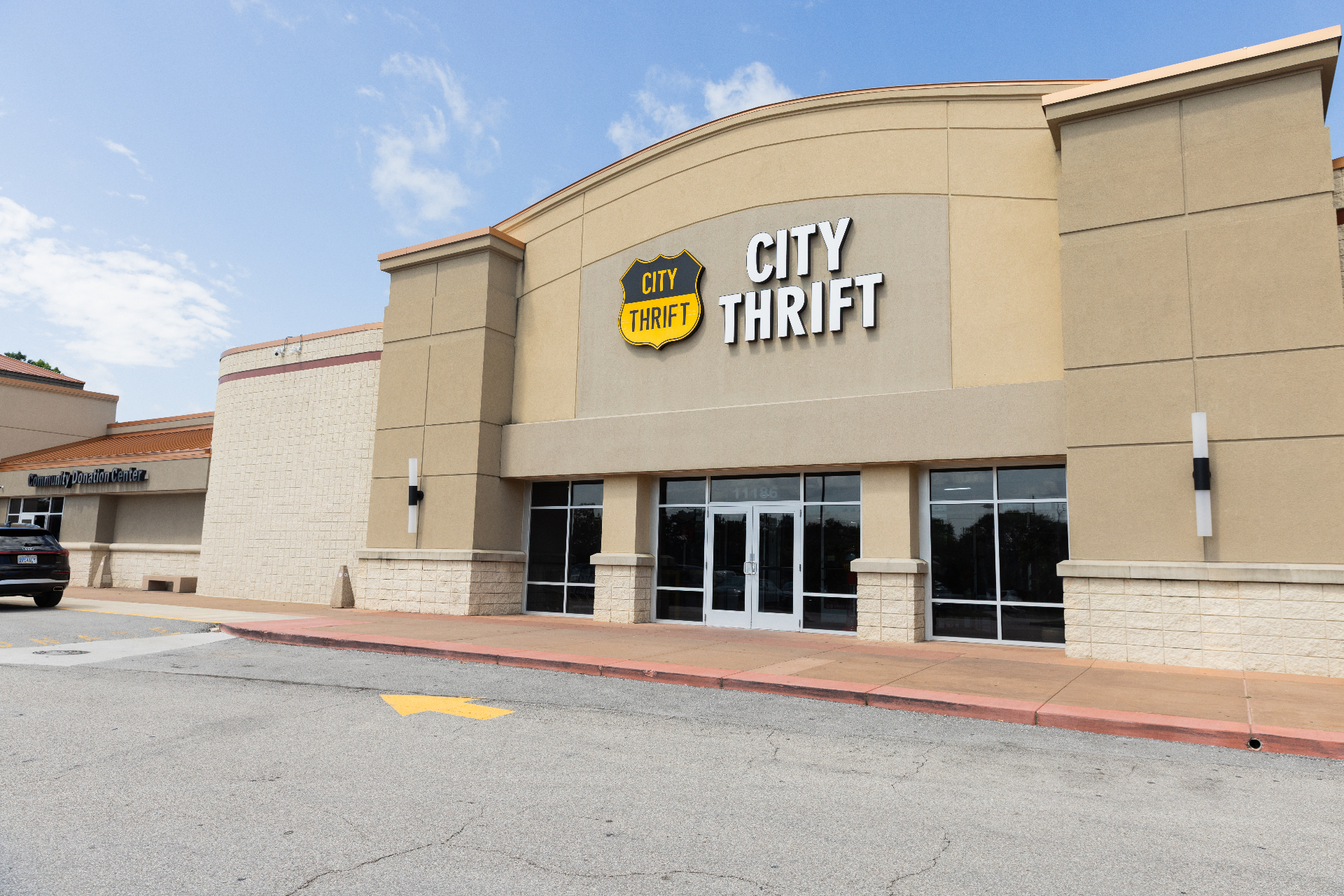
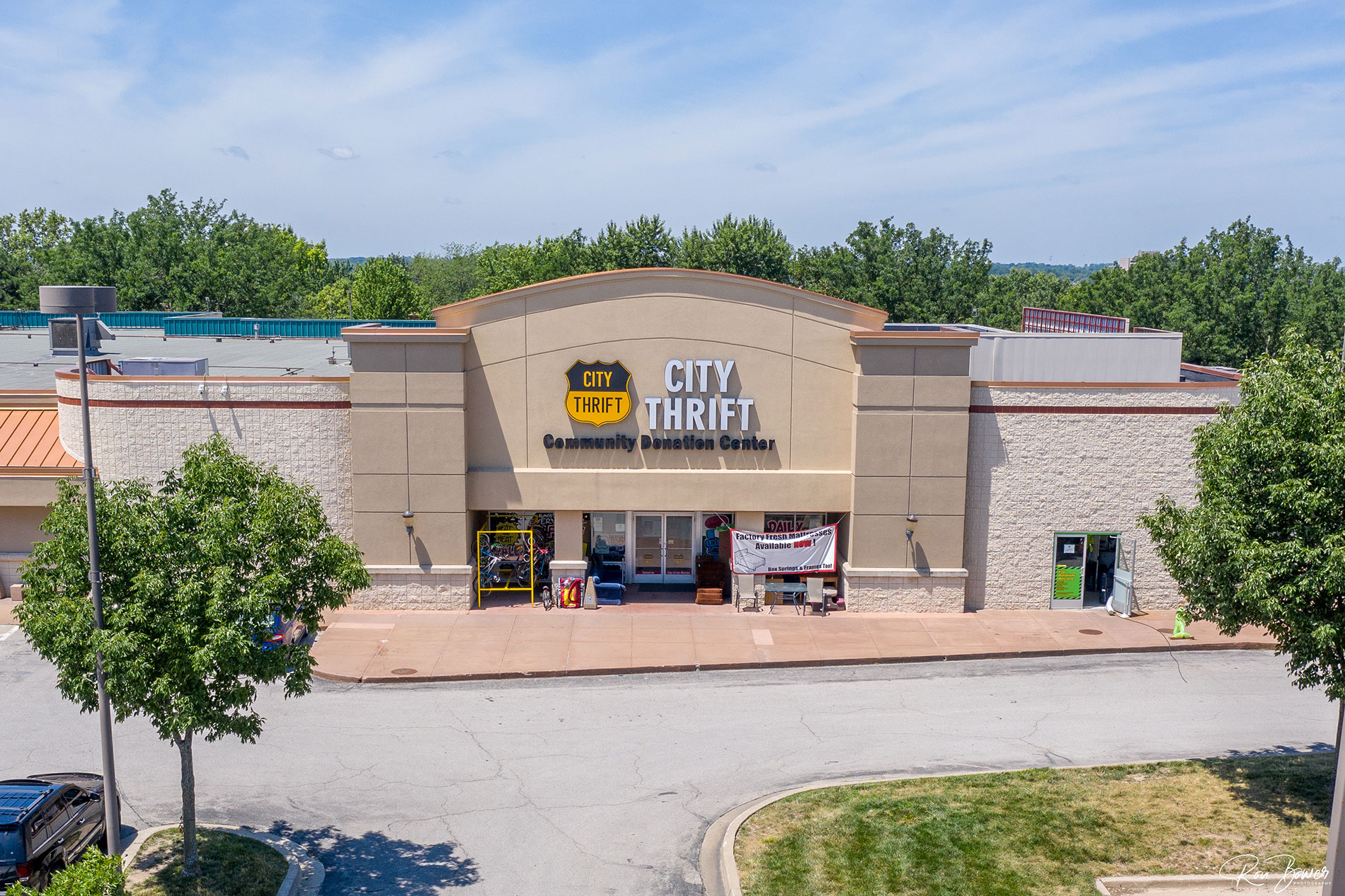
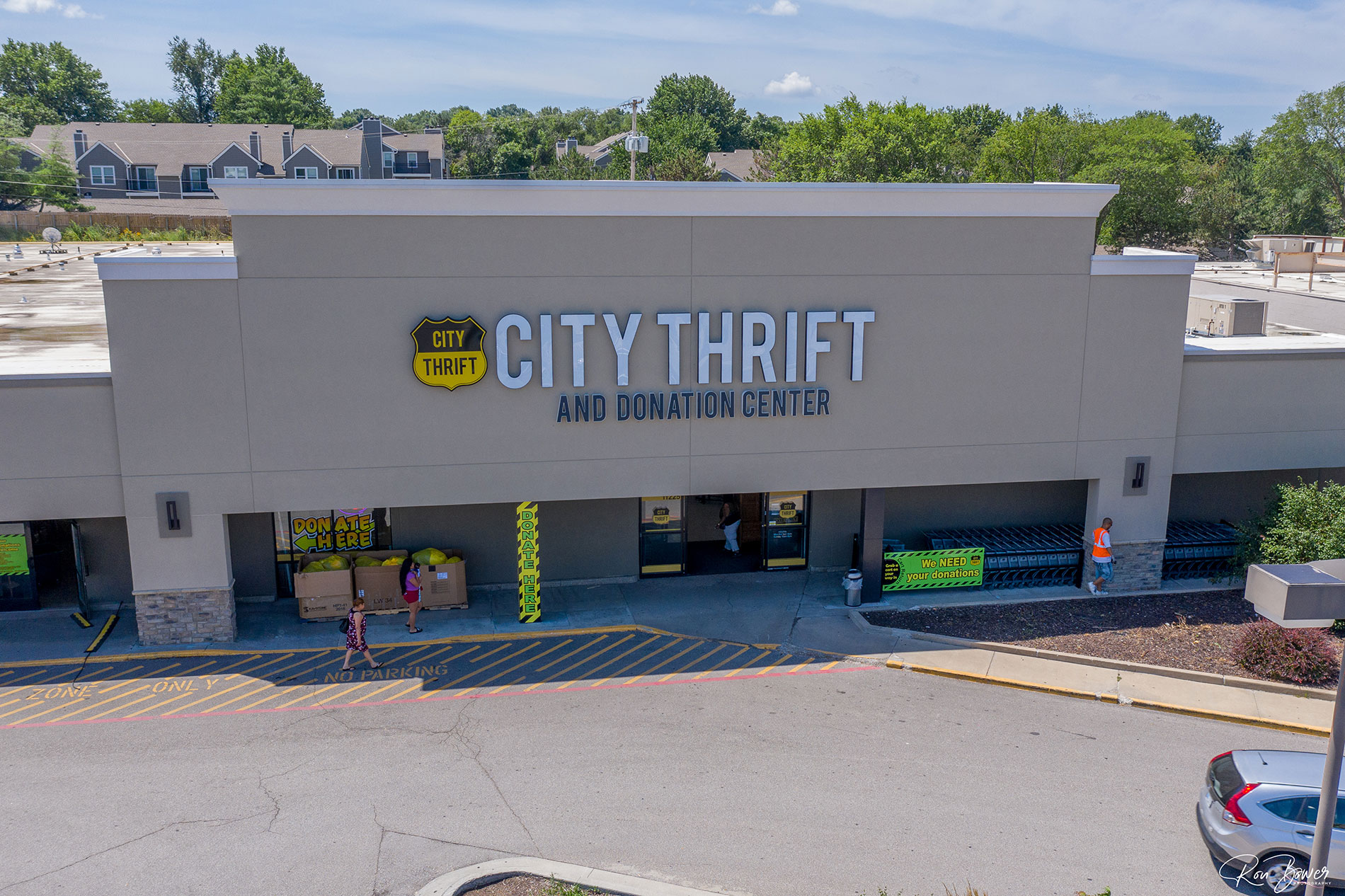
City Thrift operates five thrift stores in Kansas City, with all proceeds directly benefiting City Union Mission’s general fund since December 1977. This partnership plays a key role in funding emergency aid programs for the community. City Union Mission depends entirely on thrift store earnings and private donations to sustain its efforts.

City Union Mission Partnership

Residents contribute by donating clothing, furniture, and household items to City Thrift. Items that aren’t immediately needed are sold, with the profits helping to provide vital assistance to low-income families. CEO Gareth Keown highlights the importance of this model:

“City Union Mission receives no government support… The Mission depends solely on the gifts of God’s people – individuals, churches, groups, foundations and businesses who have a heart for the poor and homeless in Kansas City”

In 2025, City Union Mission delivered an impressive range of services, including 165,054 meals, 83,636 nights of safe shelter, 5,473 medical services, and 18,466 hours of job training. Additionally, 89 residents completed recovery programs. The community’s involvement remains vital to keeping these programs running.

Ways to Get Involved

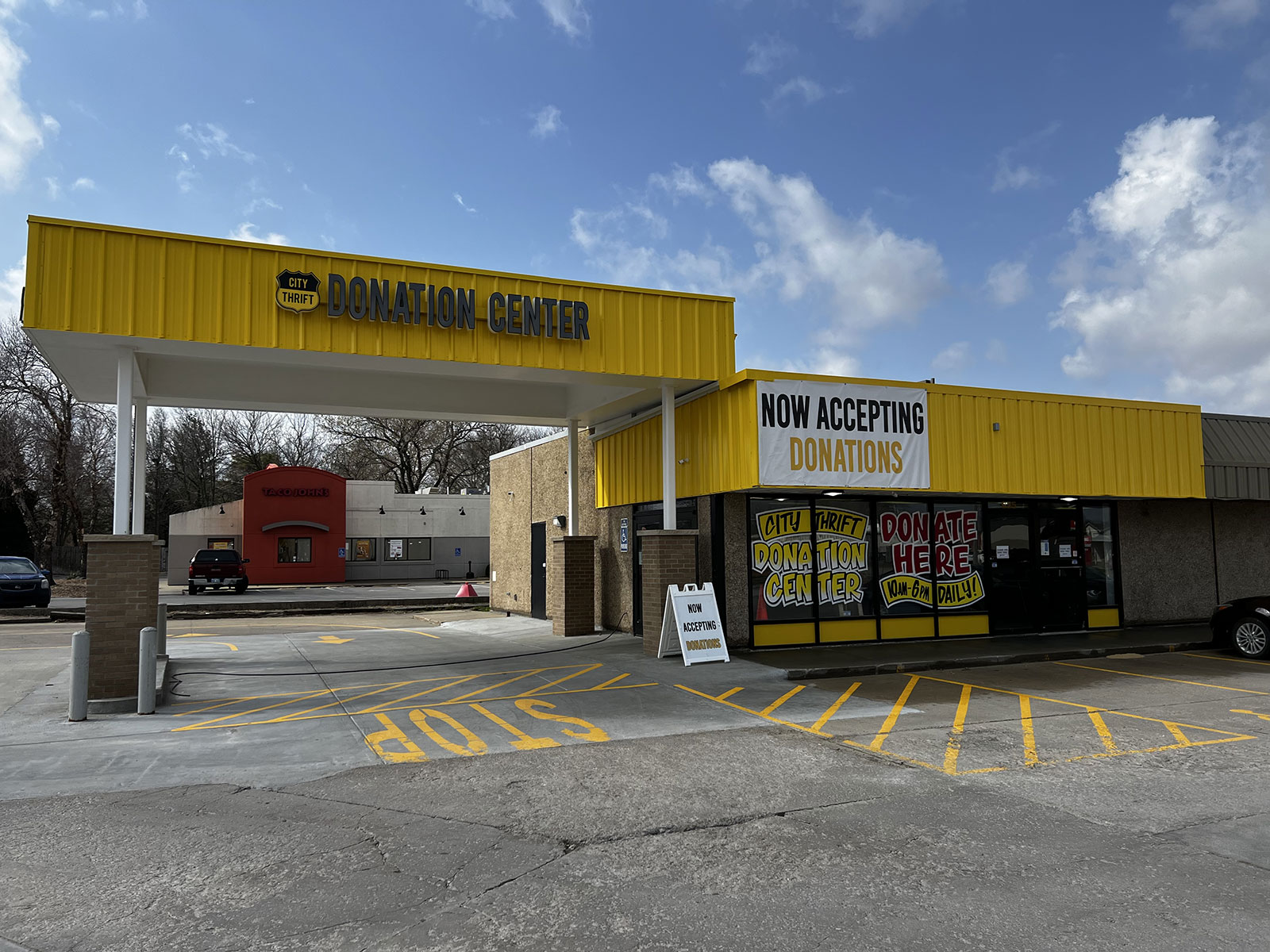
By shopping at City Thrift, you directly support emergency shelters, food programs, and recovery services. Donating clothing and household items is another way to contribute. Donations can be made at any City Thrift location or through donation bins located throughout Kansas City. For larger items like furniture, you can schedule a pickup by calling 641-5656 if you have at least three barrels or one pallet.

Volunteering is another meaningful way to make a difference. You can visit the City Union Mission website to sign up for volunteer opportunities with City Thrift or other Mission programs. High-demand items include new underwear (all sizes), socks, jeans, twin-size sheets, and hygiene essentials like deodorant and toothbrushes. Material donations are accepted at designated locations during weekday business hours.


Conclusion

Kansas City offers a range of emergency aid programs to help families facing tough times. From rent assistance through KERA to utility help from Cross-Lines, energy support via LIEAP, and broader services from organizations like Catholic Charities and Seton Center, these programs are designed to address urgent needs quickly. If you’re unsure where to begin, calling 211 can connect you to the right resource for your situation. For immediate housing crises or homelessness, you can contact City Union Mission’s hotline at 474-4599 to get connected to shelter services.

Community-driven initiatives play a key role in sustaining these efforts. For example, City Thrift supports local aid by donating all proceeds to City Union Mission, which funds shelters, meals, medical services, and recovery programs. This partnership is vital, as City Union Mission operates entirely on community contributions without any government funding.

There are many ways to make a difference. Shopping at City Thrift directly supports emergency services for Kansas City’s homeless and low-income families. Donations of clothing, furniture, and household items help provide essential resources for those in need. Volunteering is another impactful way to contribute. Every purchase, donation, and volunteer hour strengthens the safety net for Kansas City families, ensuring that support is there when it’s needed most. Together, the community helps create a lifeline for residents in crisis.


FAQs

How do I apply for emergency rent assistance in Kansas City?

If you’re facing a rent emergency in Kansas City, there are local programs ready to assist. The Emergency Rent and Utility Assistance Program is one option, offering support to renters who meet certain criteria. To qualify, you’ll typically need to provide proof of income, residency, and identification. Additionally, the City of Kansas City, Missouri, has a Rental Housing Assistance Unit that can guide you through the application process.

Organizations like the Community Assistance Council and the Greater KC Housing Information Center also offer help with rent and utility bills. Since many of these programs have specific requirements, it’s a good idea to contact them directly. Be ready to share details about your income and household situation to confirm your eligibility and learn about the necessary documentation.

What documents do I need to apply for utility assistance programs?

When applying for utility assistance programs, you’ll generally need to gather a few key documents to get started. These often include:

  • A valid photo ID: This could be a driver’s license, state-issued ID, or another government-issued form of identification.
  • Proof of residency: Examples include a recent utility bill or a lease agreement showing your address.
  • Income verification: Documents like pay stubs, tax returns, or benefit award letters are typically required.

Keep in mind that requirements can differ depending on the specific program. It’s always a smart move to double-check with the organization offering the assistance to see if they need anything else.

Are there income guidelines for receiving food and basic needs assistance?

Many assistance programs that provide food and necessities have income-based eligibility requirements. These guidelines typically take into account factors like your household income, family size, and available resources. The goal is to make sure the support goes to those who need it the most.

If you’re not certain whether you qualify, reaching out directly to the organization offering the assistance can help clarify the details.