Evaluate Used Goods with Ease
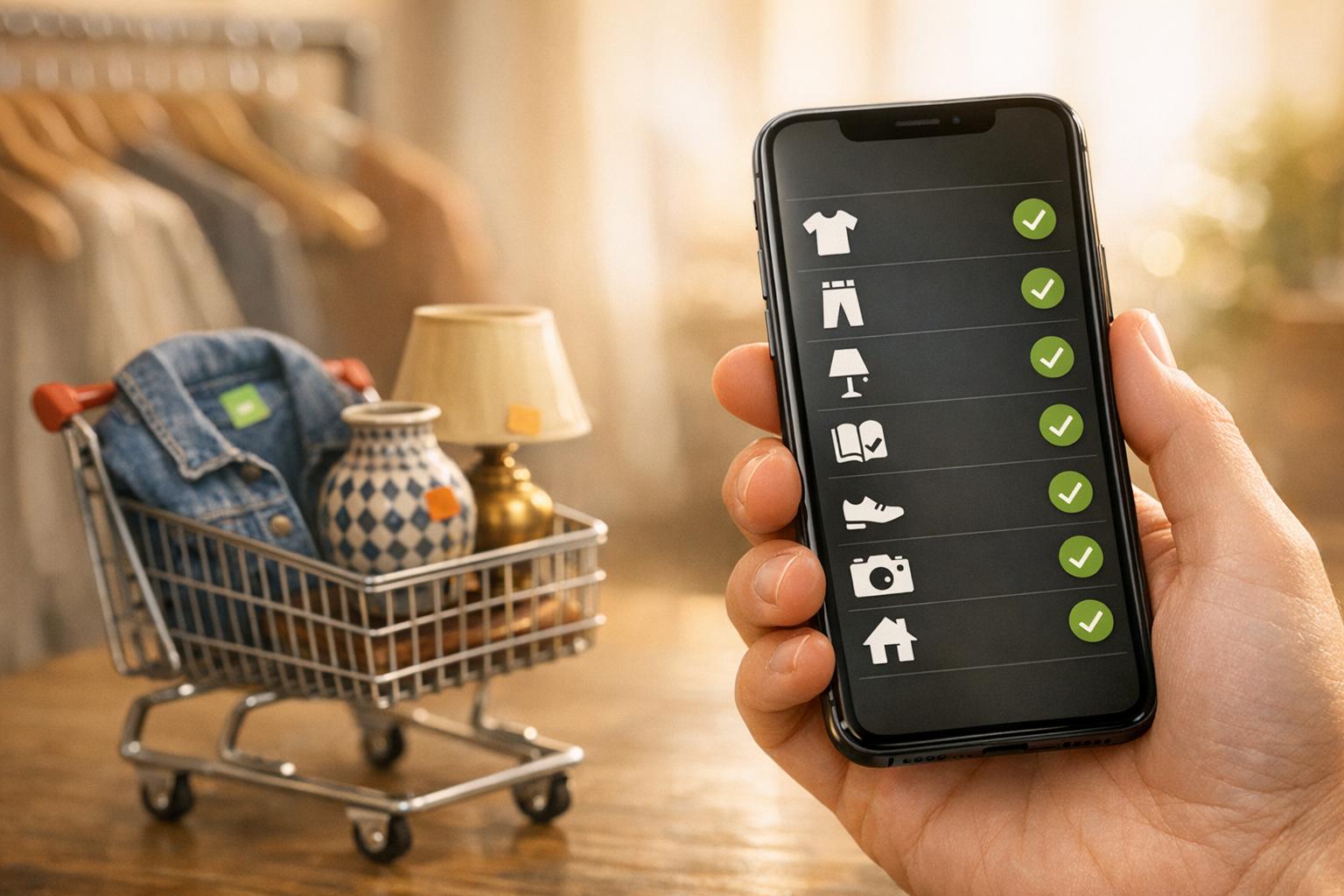
Shopping for second-hand items is a fantastic way to save money and reduce waste, but it comes with risks. How do you know if that vintage jacket or pre-owned laptop is a steal or a dud? That’s where a tool to assess the state of used products comes in handy. By considering factors like age, visible damage, and functionality, you can get a clearer picture of an item’s worth before committing.
Why Condition Matters
When you’re browsing thrift stores or online marketplaces, descriptions can be vague or overly optimistic. A quick evaluation can reveal whether an item’s price matches its true value. For instance, a piece of furniture with minor scratches might still be a great buy, while an electronic device with functionality issues could cost more in repairs than it’s worth. Beyond the financial aspect, knowing an item’s state helps set realistic expectations—will it last a year, or is it just a temporary fix? Tools that break down these details empower buyers to shop smarter, ensuring you bring home treasures, not headaches. So next time you’re eyeing a deal, take a moment to analyze its real condition.
FAQs
How accurate is the condition score for second-hand items?
Our tool uses a weighted formula based on real-world factors like item type, age, wear, and functionality. While it’s not a physical inspection, it’s designed to give you a reliable estimate. Think of it as a starting point—always check the item in person if possible, especially for pricier purchases like electronics or furniture.
Can I use this tool for any type of used item?
Absolutely! We’ve included common categories like clothing, electronics, and furniture in the dropdown. If your item doesn’t fit neatly into one of those, just pick the closest match. The calculator still factors in age and wear, so you’ll get a useful score no matter what you’re evaluating.
What does the condition score explanation mean for my purchase?
The explanation breaks down why your item got its score and offers practical advice. For example, a score of 6/10 might come with a note like ‘Good for casual use but may need minor repairs.’ It’s there to help you weigh the pros and cons before handing over your cash.