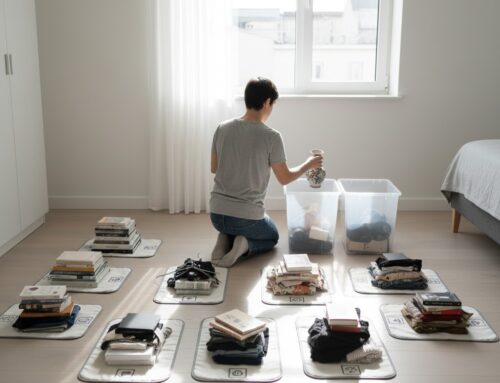
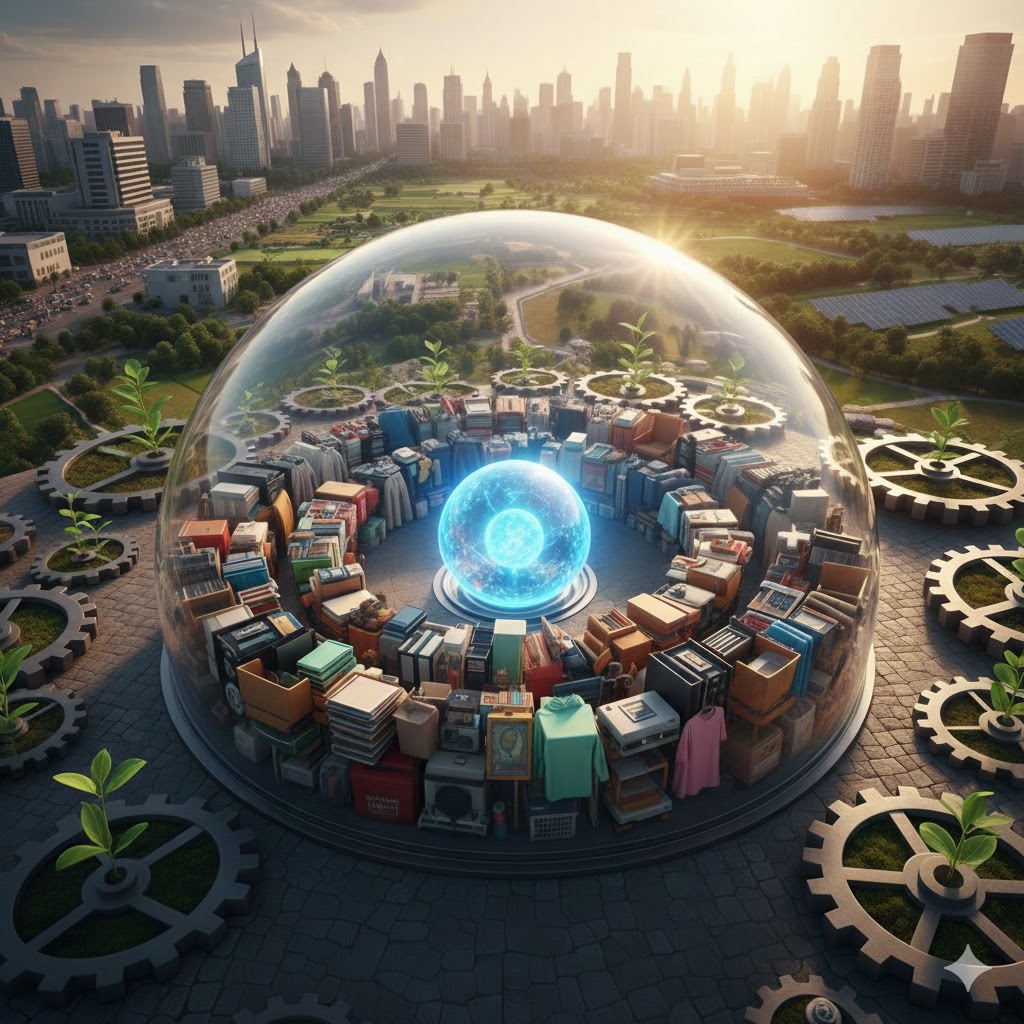
Donating your unused items like clothing, furniture, and household goods is a simple way to reduce waste while helping your community. Every year, millions of tons of textiles and other items end up in landfills, but thrift stores like City Thrift give these goods a second life. By donating, you help:
- Reduce waste: Items stay out of landfills and remain useful.
- Conserve resources: Less demand for new production saves water, energy, and raw materials.
- Support local programs: Proceeds from sales fund initiatives like homelessness relief and job training.
- Create affordable options: Secondhand goods offer budget-friendly choices for shoppers.
Donations also support recycling efforts for unsellable items, like turning old textiles into cleaning rags or insulation. Whether you donate, shop secondhand, or volunteer, you contribute to a system that benefits both people and the planet. Visit City Thrift to get involved today.
How Donations Extend Product Lifecycles
Donating items like clothing, furniture, or kitchen appliances to thrift stores does more than just clear out your space – it gives these items a second chance at life. This simple act keeps products in use far longer than they might otherwise last and plays a key role in supporting the circular economy.
Cutting Down on Resource Use
Every item donated and resold means there’s one less new product that needs to be made. That might not seem like much at first glance, but the impact adds up quickly. Manufacturing new products – whether it’s a cotton t-shirt, a wooden table, or a set of plates – requires raw materials, water, energy, and labor. By donating and reusing, we reduce the need for these resources.
Take clothing as an example. When someone buys a donated jacket instead of a new one, the cotton, dyes, water, and energy that would’ve gone into producing that new jacket remain untouched. Think about this: if one person thrifts just 10 items a year, they could prevent hundreds of pounds of waste over their lifetime. Now imagine thousands of people shopping at thrift stores regularly – that’s a massive amount of resources saved, benefiting both local communities and the planet.
Local Stories of Impact
The benefits of donations are easy to see at the community level. At City Thrift, this cycle happens every day at their locations in Overland Park, Shawnee, Waldo, and Lawrence. Each day, thousands of new items hit the shelves, giving locals access to affordable, gently used goods while supporting a sustainable way of living.
“The clothes you don’t wear anymore, those pots and pans taking up space in your cabinets…somebody wants to buy them, and proceeds directly aid those in need.” – City Thrift
Here’s how it works: a family in Overland Park might donate a couch they no longer need. Within days, that couch is cleaned, priced, and placed on the sales floor. Then, a college student in Lawrence, setting up their first apartment, buys it at an affordable price. Not only does this keep a perfectly good couch out of the landfill, but every sale also supports City Union Mission programs that help those experiencing homelessness. It’s a win for everyone involved.
Environmental Wins Through Reuse
Beyond saving resources, extending the life of products has a huge environmental payoff. Reusing items reduces the need for new production, which means fewer raw materials are extracted, less packaging waste is created, and fewer emissions are released during manufacturing and shipping.
The fashion industry is a prime example. Producing clothing is resource-heavy, requiring vast amounts of water for cotton farming and dyeing, along with significant energy for manufacturing and transportation. By choosing a donated shirt instead of a new one, these environmental costs are avoided, as the item simply changes hands with minimal additional processing.
Furniture and household goods also benefit from reuse. Each time an item gets a second (or third) life, it delays the need for new production, reducing cumulative environmental impacts. When thousands of items stay in use longer, the environmental benefits become measurable and meaningful.
The good news? Second-hand shopping is becoming more popular. Growing environmental awareness and the appeal of affordable, one-of-a-kind finds are driving more people to thrift stores. This shift not only supports the circular economy but also ensures that products retain their value and purpose through multiple owners, rather than heading straight from factory to landfill.
How Donations Drive Waste Reduction and Recycling
Donating isn’t just about giving away items you no longer need – it’s a powerful way to reduce waste and promote recycling. When you donate to thrift stores, you help extend the life of products, prevent unnecessary landfill waste, and ensure responsible handling of items that can’t be sold.
Landfill Diversion Through Donations
According to EPA data, millions of tons of textiles are thrown away every year. Thrift stores play a crucial role in redirecting these items from landfills. When you donate something as simple as a sweater, a lamp, or even a kitchen table, you’re helping to keep these items in circulation instead of letting them go to waste.
Take City Thrift as an example. Across its Kansas City locations, every donation – whether it’s clothing, furniture, or kitchen goods – gets a second chance to be used and appreciated. It’s a system that benefits everyone: donors clear out their homes, shoppers find affordable items, and the environment avoids the burden of more landfill waste.
The collective impact of thousands of people regularly donating and shopping at thrift stores is enormous. Usable goods stay in circulation, valuable landfill space is conserved, and the environmental costs tied to waste disposal are reduced. When items end up in landfills, they not only take up space but can also release harmful chemicals as they decompose. Worse, all the resources and energy used to create those items are completely wasted. Donations help break this cycle, ensuring products remain useful for as long as possible. And for items that can’t be resold, the focus shifts to recycling and repurposing.
Recycling and Repurposing Unsellable Items
Not everything donated to a thrift store can be sold – some items are damaged, heavily worn, or don’t meet quality standards. But even these items don’t have to go to waste. Many are sent to recycling programs that give them a new purpose.
For example, unsellable textiles can be turned into industrial cleaning rags or insulation materials. Electronics are often dismantled to recover valuable metals like copper and gold. Glass items might be crushed for use in construction projects, while plastics and metals are sorted and sent to local recycling facilities.
Behind the scenes, thrift stores partner with certified recycling and waste management companies to ensure these processes meet environmental regulations and minimize harm to the planet. However, challenges like sorting costs, contaminated donations, and limited recycling options for certain materials highlight the importance of donating clean and functional items. When donors provide quality goods, the chances of successful resale or recycling increase significantly.
Disposal vs. Donation Comparison
Donating doesn’t just reduce waste – it creates value in ways that disposal never can. Here’s a side-by-side look at how the two options stack up:
| Impact Area | Disposal (Landfill) | Donation (Thrift Store) |
|---|---|---|
| Waste Generation | Adds to landfill waste | Keeps goods out of landfills |
| Resource Use | Requires production of new items | Extends product lifespan, saves resources |
| Environmental Cost | Pollution, CO₂ emissions | Reduces pollution and can support recycling |
| Economic Impact | Costs for disposal, no revenue | Saves disposal costs, creates jobs, and funds programs |
| Social Benefit | None | Supports charities, job training, and community programs |
Choosing donation over disposal does more than keep waste out of landfills. It supports a system that saves resources, reduces pollution, and creates economic and social benefits. At City Thrift, for instance, every sale directly supports City Union Mission, which provides meals, shelter, and essential services to those experiencing homelessness in Kansas City. Your donations don’t just help the environment – they also strengthen your community.
The rise in second-hand shopping reflects a larger shift in how people think about consumption. More and more, people are seeing donations and thrift shopping as smart, sustainable choices – not just ways to save money. This shift is helping to build a circular economy, where items stay in use longer, and the demand for new production is reduced. It’s a win-win for the environment and for future generations.
Encouraging Reuse and Conscious Shopping
Thrift stores are redefining how we think about shopping by turning surplus items into affordable, sustainable options. They make second-hand shopping not just practical but rewarding, encouraging people to rethink their consumption habits. More shoppers are realizing that opting for pre-owned items isn’t just a smart financial move – it’s also a meaningful step toward sustainability. This shift is opening doors to mindful shopping that benefits individuals and their communities.
Affordable Access to Second-Hand Goods
One of the biggest challenges to sustainable shopping is price. High-quality new products can often be expensive, making them out of reach for many. Thrift stores tackle this issue head-on by offering second-hand goods at prices that fit any budget.
For example, buying used clothing can save shoppers an average of 60% compared to buying new. A $50 item in a retail store might cost just $20 at a thrift shop. At places like City Thrift, you’ll find everything from wardrobe staples to unique treasures, making sustainable shopping a practical option for everyone. And forget the outdated image of messy, chaotic thrift stores. Today’s shops are clean, well-organized, and easy to navigate, ensuring that shopping second-hand is not only economical but also enjoyable. This affordability helps normalize reuse and makes it part of everyday life.
Building a Culture of Reuse
Consumer behavior is evolving. People are increasingly questioning whether they need to buy new, and thrift stores are at the heart of this transformation. By making second-hand shopping accessible and appealing, they’re helping to create a world where reuse becomes the standard.
Opting for second-hand items can reduce climate and energy impacts by up to 42%, all while promoting reuse as a default choice. When shoppers see how their decisions contribute to environmental well-being, every purchase feels like a small but meaningful act of care. City Thrift captures this idea with their concept of a “thrift-venture”, transforming shopping into an exciting experience rather than a simple transaction.
“By shopping at City Thrift, you can make a difference in your closet and your local community.” – City Thrift
This shift also changes how people view their own belongings. Knowing that unwanted items can find a second life through donation turns potential waste into opportunity. This cycle benefits everyone: as more people donate, thrift stores are stocked with better items, attracting more shoppers and further normalizing reuse.
The impact of this culture is striking. Buying second-hand extends the life of clothing by an average of 2.2 years. While that might seem small on an individual level, the collective effect is enormous. For instance, producing a single new cotton T-shirt requires around 2,700 liters of water – enough for one person to drink for nearly three years. Choosing second-hand helps conserve these resources, all while encouraging a more sustainable and creative approach to personal style.
Personal Expression Through Second-Hand Shopping
Thrift shopping isn’t just about saving money or protecting the planet – it’s also a fantastic way to express yourself. The ever-changing inventory of thrift stores offers a treasure trove of unique finds that can’t be matched by mass-market retailers.
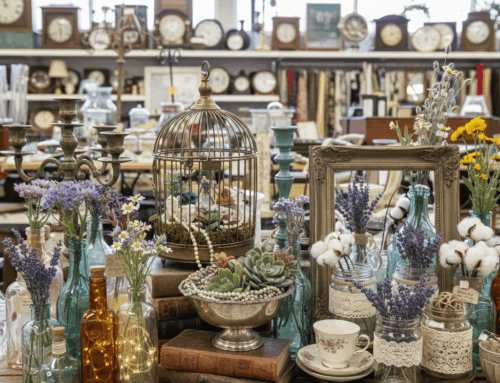
From vintage clothing and rare home decor to handmade items and retro furniture, thrift stores are brimming with pieces that tell a story. These one-of-a-kind items allow shoppers to develop a distinctive style and even preserve cultural heritage by keeping vintage and traditional pieces in circulation. Whether it’s a classic vinyl record, a mid-century modern chair, or a timeless dress, these finds add character and depth to your life.
The affordability of thrift shopping also encourages experimentation. Want to try out a bold new look or redecorate your space with flair? Thrift store prices make it easy to explore your creativity without breaking the bank.
“One-of-a-kind finds for One-of-a-kind people” – City Thrift
This blend of individuality, affordability, and environmental responsibility makes second-hand shopping more than just a practical choice – it becomes an enjoyable and empowering experience. When your style choices align with your values, shopping feels less like a compromise and more like an opportunity to contribute to a sustainable future.
Social and Community Impact of Donations
Donating to thrift stores doesn’t just help the planet – it strengthens communities too. When you give or shop at a thrift store, you’re doing more than reducing waste; you’re helping address pressing social issues and fostering connections. In fact, the community benefits of donations often rival their environmental impact.
Supporting Charitable Programs
Every purchase at City Thrift directly funds programs aimed at helping individuals facing homelessness and poverty in Kansas City and nearby areas. The proceeds stay local, going straight to City Union Mission, which provides critical services to those in need.
This system turns everyday donations into transformative support. Items sold at affordable prices generate funds that help people rebuild their lives. It’s a simple yet effective process: your unused belongings can become someone else’s fresh start.
“Let your old stuff…do good stuff!” – City Thrift
The impact goes further than immediate assistance. Organizations like City Union Mission use thrift store revenues to support programs that tackle the root causes of poverty and homelessness. Across the United States, over 11 million tons of textiles are discarded annually, much of which is saved from landfills through thrift store donations. City Thrift reports that proceeds from these sales help thousands of individuals each year, funding local shelters, food programs, and job training initiatives. This demonstrates how donations can deliver both measurable social benefits and environmental solutions.
Job Creation and Volunteer Opportunities
Thrift stores are more than just places to shop – they’re also key players in local job markets. They provide a range of employment opportunities, from retail roles to donation processing, logistics, and management positions. These jobs often serve as accessible entry points for individuals seeking work, offering on-the-job training and skill development.
City Thrift operates multiple locations across Kansas City, Overland Park, Shawnee, Waldo, and Lawrence. Each store relies on a dedicated team to handle the steady flow of donations, ensuring items are sorted, priced, displayed, and sold. This creates reliable jobs that contribute to the local economy and provide financial stability for workers and their families.
In addition to paid roles, thrift stores offer volunteer opportunities that build a sense of community and purpose. Volunteers assist with tasks like sorting items, helping customers, and organizing events. These roles allow people to contribute their time and talents while gaining valuable experience and connecting with others. For many, volunteering provides a sense of fulfillment and a chance to be part of something meaningful.
Volunteering can also serve as a stepping stone to employment, especially for individuals with limited work experience or those re-entering the workforce. The flexible schedules and supportive environments make these opportunities particularly valuable for people with disabilities or other challenges. By combining jobs and volunteer roles, thrift stores create multiple ways for people to engage and make a difference, amplifying both social and environmental benefits.
Combined Impact: Environmental and Social Benefits
Donations to thrift stores create a ripple effect of positive change, addressing both ecological and social challenges. Each donated item reduces waste while generating funds for community programs, creating a cycle of impact that benefits both the planet and people.
Here’s how these benefits stack up:
| Benefit Type | Key Benefits | Example/Metric |
|---|---|---|
| Environmental | Reduces waste, conserves resources, lowers carbon emissions | Over 11 million tons of textiles are diverted annually |
| Social | Funds charitable programs, creates jobs, fosters volunteerism, and supports local communities | Thousands served by City Union Mission programs |
These outcomes are deeply interconnected. Revenue from resale and recycling funds initiatives that address homelessness, poverty, and unemployment. This sustainable model tackles multiple issues at once, creating a win-win for communities and the environment.
Moreover, this dual impact raises awareness and fosters a sense of responsibility. As people see how their donations and purchases support both sustainability and local causes, they become more thoughtful about their consumption habits. Community events, educational efforts, and partnerships with local organizations further reinforce these values, promoting a culture where helping the environment and supporting neighbors go hand in hand.
The growing popularity of second-hand shopping reflects this cultural shift. Many consumers now choose thrift stores not just to save money but to align their spending with their values. Shopping at City Thrift, for example, allows you to make an impact in your closet and your community – cutting down on waste while supporting vital programs that uplift your neighbors.
Thrift stores often share their success stories through reports, newsletters, and social media, tracking metrics like the amount of waste diverted, individuals helped, jobs created, and volunteer hours contributed. These transparent updates show how every donation, purchase, or hour volunteered contributes to meaningful change, inspiring continued support from the community.
Conclusion
Donations play a key role in supporting a circular economy, delivering both environmental and social benefits. Each item donated helps cut down on waste, preserve resources, and reduce carbon emissions. Instead of heading to landfills, these items get a second life, extending their usefulness and reducing the demand for new production.
In the United States alone, over 11 million tons of textiles are discarded every year. Thrift stores help divert a significant portion of this waste from landfills. On average, an individual in the U.S. throws away about 70 pounds of clothing and textiles annually. Donations break this cycle, keeping items in circulation and ensuring valuable materials stay in use.
But the impact goes beyond helping the environment. Donations also create meaningful change in local communities. At City Thrift, every purchase supports City Union Mission’s programs, which provide meals, shelter, job training, and other resources for individuals facing homelessness and poverty. So, when you donate, your items don’t just avoid the landfill – they actively contribute to improving lives in your neighborhood.
Making a difference doesn’t require a complete lifestyle overhaul. Simple actions like donating unused items, shopping secondhand, or volunteering a few hours can have a measurable impact. These choices support sustainability while strengthening social welfare, proving that individual efforts can lead to collective progress.
As more people choose secondhand shopping and embrace eco-conscious habits, the circular economy continues to grow. This shift isn’t just about reducing waste – it’s about fostering a culture that prioritizes both sustainability and community care. By participating, you’re joining a movement that values the planet and the people who call it home.
Want to get involved? Donate, shop secondhand, or volunteer. You can drop off donations between 9:00 AM and 9:00 PM at any City Thrift location. Explore their stores for unique treasures that reflect your style and values. Visit https://citythrift.org to help build a more sustainable and connected community.
FAQs
How do donations to thrift stores like City Thrift help reduce waste and support the community?
Donating to thrift stores such as City Thrift does more than just clear out your closet – it helps keep perfectly good items from ending up in landfills. By giving gently used belongings a second chance, you’re not only cutting down on waste but also contributing to a more resourceful and eco-friendly way of living.
But the impact doesn’t stop there. When you donate to City Thrift, you’re also supporting meaningful community programs. The proceeds from sales go toward initiatives that assist individuals facing homelessness and poverty. So, your donations make a difference both for the planet and for people in need.
What happens to donated items that can’t be sold in thrift stores?
When thrift stores can’t sell donated items, they often find creative ways to repurpose or recycle them, cutting down on waste. For instance, textiles might become industrial rags or insulation, while other materials are recycled with care to lessen their environmental impact. This process aligns with the idea of a circular economy, breathing new life into items and keeping them out of landfills.
At City Thrift, donations do more than stock shelves – they’re a key part of supporting sustainability and the community. Even unsellable items are managed thoughtfully, helping reduce waste while continuing to make a positive impact.
How does donating to City Thrift benefit local community programs?
When you donate to City Thrift, you’re doing more than just clearing out your closet – you’re directly supporting City Union Mission, a local organization working hard to combat homelessness and poverty. The proceeds from your donated items help fund essential services like shelter, meals, and support programs for individuals and families in need.
On top of that, your donations have a positive environmental impact. By giving your usable goods a second life, you’re helping reduce waste and encouraging a circular economy within the community. Every item you donate makes a difference – not just for the people who benefit from these services, but for the planet as well.